Best recycled printer paper, copy paper and card stock
A plain guide to recycled printer paper, copy paper and card stock: what post-consumer content means, which weights suit which jobs, and how recycled and unbleached sheets behave in a printer.
If you want recycled printer paper that performs like the paper you already use, here is the short answer. Buy 20 lb bond for everyday copies, 24 lb bond if you print on both sides, and card stock between 250gsm and 350gsm for anything that has to stand up on its own. On the label, look for post-consumer waste content, FSC certification and chlorine free processing. Beyond that, the choice comes down to preference.
We are Eco Friendly Printer. Greg Barber started the company in 1990 and we have printed on recycled stock ever since. Below is what we have learned about which recycled papers are worth buying, both for the printer in your office and for the jobs you send to us.
Recycled printer paper at a glance
The papers covered in this guide are summarized below. Everything we print on is 100 percent recycled, FSC certified and bleached without chlorine. When you buy paper for your own printer, check the post-consumer content, FSC certification and processed chlorine free status on the label of each ream.
- 20 lb bond copy paper. This is the standard ream for memos, drafts and internal copies.
- 24 lb bond copy paper. This slightly heavier sheet reduces show-through when you print on both sides.
- 60 lb to 100 lb text. These weights are used for letterhead, newsletters and the inside pages of a brochure.
- 250gsm card stock. This light card suits folded leaflets, program covers, menus and flyers.
- 300gsm card stock. This middle weight is the standard choice for postcards and everyday business cards.
- 350gsm card stock. This is about 130 lb cover and suits business cards, wedding invitations and presentation folders.
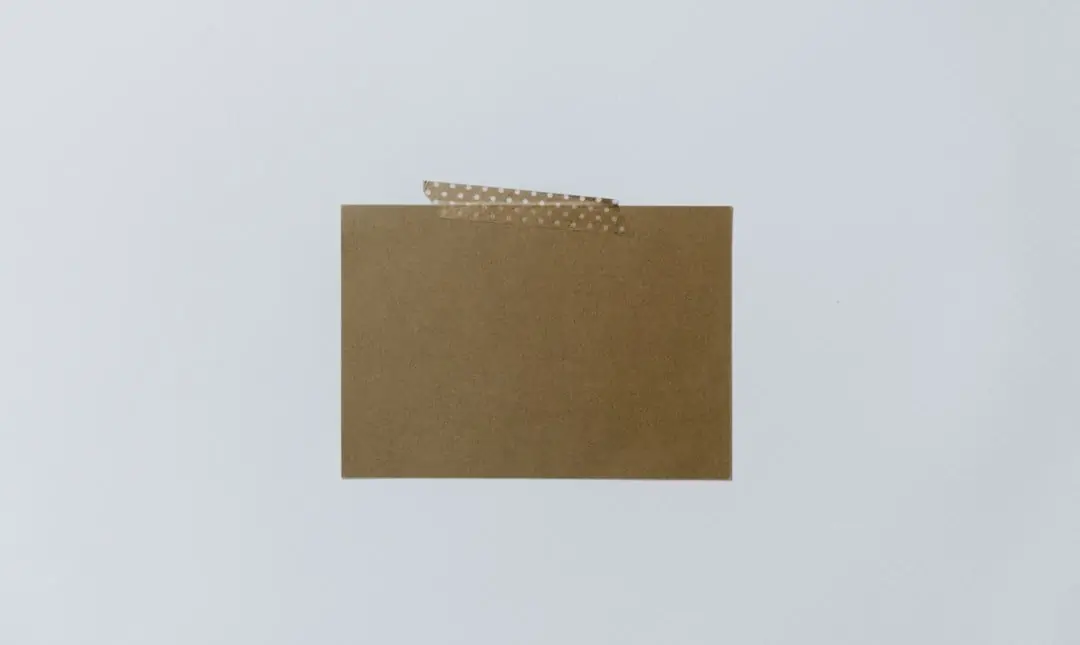
- Unbleached and kraft stock. This warm brown sheet with visible fiber skips the bleaching and brightening step.
Our paper weight guide converts pounds, gsm and points if you are comparing labels from different brands.
What the word recycled actually means on a paper label
Three different types of material are sold under the same word, and they do not have the same environmental value.
- Factory waste. These are trimmings and offcuts that never left the mill. They would have gone back into the pulp anyway, so reusing them makes little difference.
- Pre-consumer waste. This is printed or converted paper that never reached a buyer, such as unsold magazines or misprinted sheets.
- Post-consumer waste. This is paper that people used and put in a recycling bin. It is the content that keeps material out of landfills and lowers demand for new pulp.
Post-consumer content is the number to check. A sheet marked 100 percent recycled with no post-consumer figure can be mostly mill scrap. A sheet marked 100 percent post-consumer waste is made entirely from used paper. Two more labels are worth checking. FSC certification tells you the fiber is tracked through a chain of custody. Processed chlorine free, usually shown as PCF, means the pulp was brightened with oxygen or hydrogen peroxide rather than chlorine compounds. Our guide to recycled paper printing covers how these papers are used in commercial print jobs.
Everything we print on is 100 percent recycled, FSC certified and bleached without chlorine, and we use soy-based inks on all of it. You can read more about our approach to green printing on our website.
Weights, and which one you need
Copy and text weights
Office paper is sold by bond weight. 20 lb is the standard ream and works well for memos, drafts and internal copies. 24 lb costs slightly more and is worth it whenever you print double-sided, because the extra thickness reduces the show-through that makes a two-sided page look cheap. Above that are text weights, roughly 60 lb to 100 lb text, which are used for letterhead, newsletters and the inside pages of a brochure. If you are having stationery made rather than printing it yourself, letterhead and envelopes are usually printed on a text weight sheet, with a matching card stock for business cards.
Card stock from 250gsm to 350gsm
Card is sold by gsm, which stands for grams per square meter. The three weights you will be offered most often perform quite differently.
- 250gsm. This is a light card. It works well for folded leaflets, program covers, menus and flyers that need some body without feeling stiff. It folds cleanly without scoring on most designs.
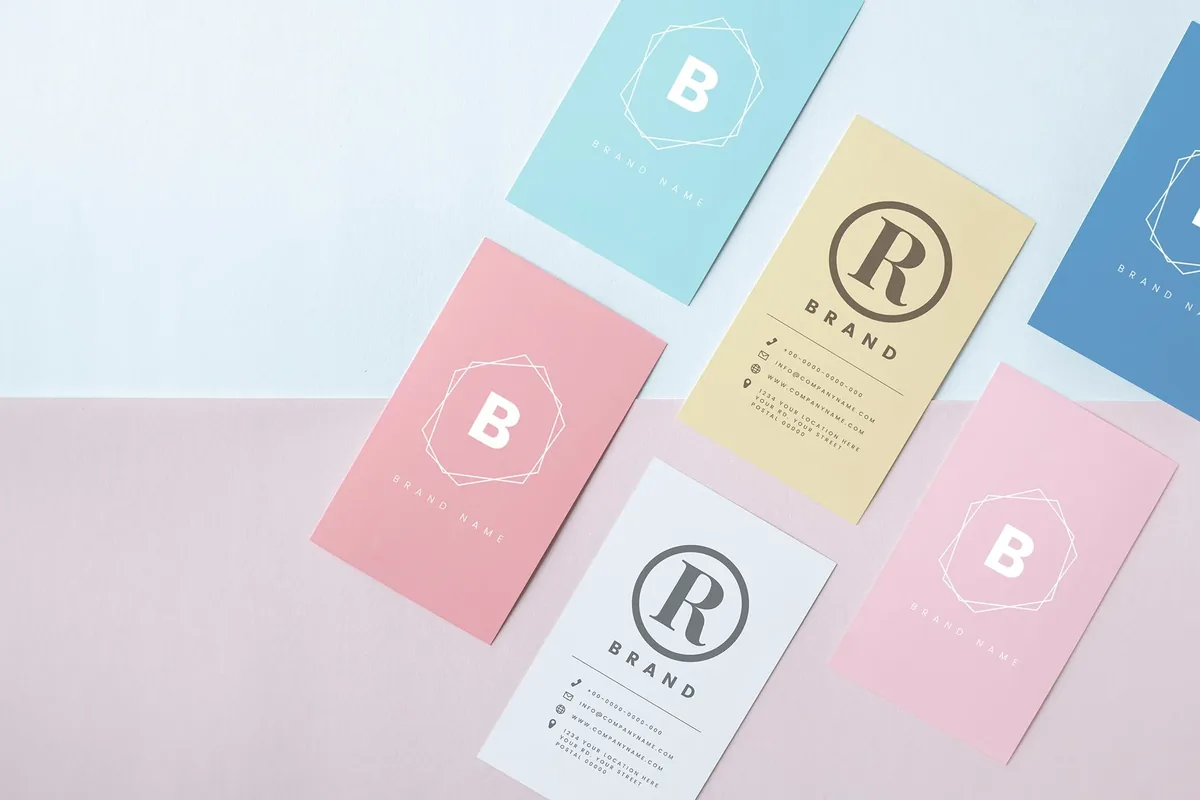
- 300gsm. This is the middle weight and the standard choice for postcards and everyday business cards. It holds up well in the mail and is still economical in larger quantities.
- 350gsm. This is about 130 lb cover in US terms. It is thick and rigid, and it feels closer to chipboard in the hand. It is the right weight for business cards that need to last in a wallet, for wedding invitations and for presentation folders. It needs scoring before it folds, and it takes pen, ink and paint well if you are using it for tags or craft work.
Recycled card has one characteristic to keep in mind. Because the fiber comes from mixed sources, the shade varies slightly between mill runs, and you will see occasional flecks in the sheet. Most clients like this. If your brand depends on an exact background white, look at the stock before you commit.
Unbleached and brown recycled paper
Unbleached recycled sheets, including kraft-style papers, skip the bleaching and brightening step entirely. The result is a warm brown or natural sheet with visible fiber. It is a good choice for menus, hang tags, packaging inserts, mailers and any piece where the paper itself should stand out as a material rather than serve as a background.
Brown stock needs a different design approach. Presses lay ink on top of the sheet, so light colors sink into the brown, and there is no white ink to print with. Anything you want to appear pale will be the paper showing through, which on brown stock means brown. Dark and saturated colors such as black, deep green, navy and oxblood hold up well. Set type one size larger than you would on white, keep line weights generous, and use solid shapes rather than fine gradients. Photographs lose contrast on brown, so line art and single color marks usually work better.
The same guidelines apply to the kraft and uncoated boards we use for packaging.
Running recycled paper through your own printer
Recycled paper runs well in ordinary machines if you match the paper to the printer.
- Check the maximum weight your printer accepts. Most desktop machines handle text weights easily but cannot take 350gsm card. Feed heavy paper through the bypass or manual tray one sheet at a time, rather than through the main cassette.
- Laser. Toner fuses cleanly onto uncoated recycled stock and produces crisp text. Keep reams sealed until you use them and store them flat, since paper that has absorbed humidity curls and misfeeds.
- Inkjet. Uncoated recycled paper absorbs more ink than a coated sheet. Choose the plain or matte paper setting rather than a photo setting, allow extra drying time before stacking, and expect fine detail to look slightly softer.
- Test first. Print one page before you run a full batch, especially on brown or textured stock, and look at it in the same light in which the finished piece will be seen.
The recycled stocks we print on
For the work we produce, we buy from a small group of mills we trust. Together they supply smooth white sheets for text and photography, textured and natural shades for invitations and stationery, and heavier covers for cards and folders.
Ask about paper samples when you request a quote, and see our paper samples page for details on our stocks. We recommend seeing the paper before a first job, because color and texture never look quite right on a screen. Typical turnaround is 1-2 weeks from artwork approval. Short runs are possible, and minimums vary by product across our product range. We are based in Ponte Vedra Beach, Florida, and we quote and ship nationwide.
Common questions about recycled printer paper
Which recycled paper is the most environmentally sound?
The best choice is the paper with the highest post-consumer content that still suits the job, with FSC certification and chlorine-free processing. Unbleached stock goes one step further by skipping the brightening process, if its appearance works for what you are making.
Does recycled paper print as well as virgin paper?
For text, line work and most photography, yes. Uncoated recycled sheets are slightly warmer and less bright than a bleached virgin sheet, so images look a little softer and whites look cream rather than blue-white. If a piece depends on maximum contrast, let us know and we will suggest the stock in our range that holds detail best.
Can I put recycled card stock through a desktop printer?
Check the weight limit in your printer manual first. Heavy card usually needs the bypass tray and single sheet feeding, and some machines will not accept it at all. For anything heavier than your printer allows, or for work that needs scoring, folding and trimming, send it to a professional printer.
Tell us what you are printing and we will quote it on the recycled stock that fits. Start your order, and ask about paper samples if you would like to see the sheet before deciding.
Products mentioned in this piece
Everything below prints on recycled, FSC-certified stock with soy-based inks. Ask for a quote on any of it.
Printing something like this?
Thirty-six years of sourcing recycled stock, put to work on your job. Tell us what you need and Greg will come back with stock options, a price and a date.