Saddle stitch vs perfect binding: how to choose a binding
How saddle stitching and perfect binding work, the page counts each one suits, cost differences and other options such as Wire-O and lay-flat bindings.
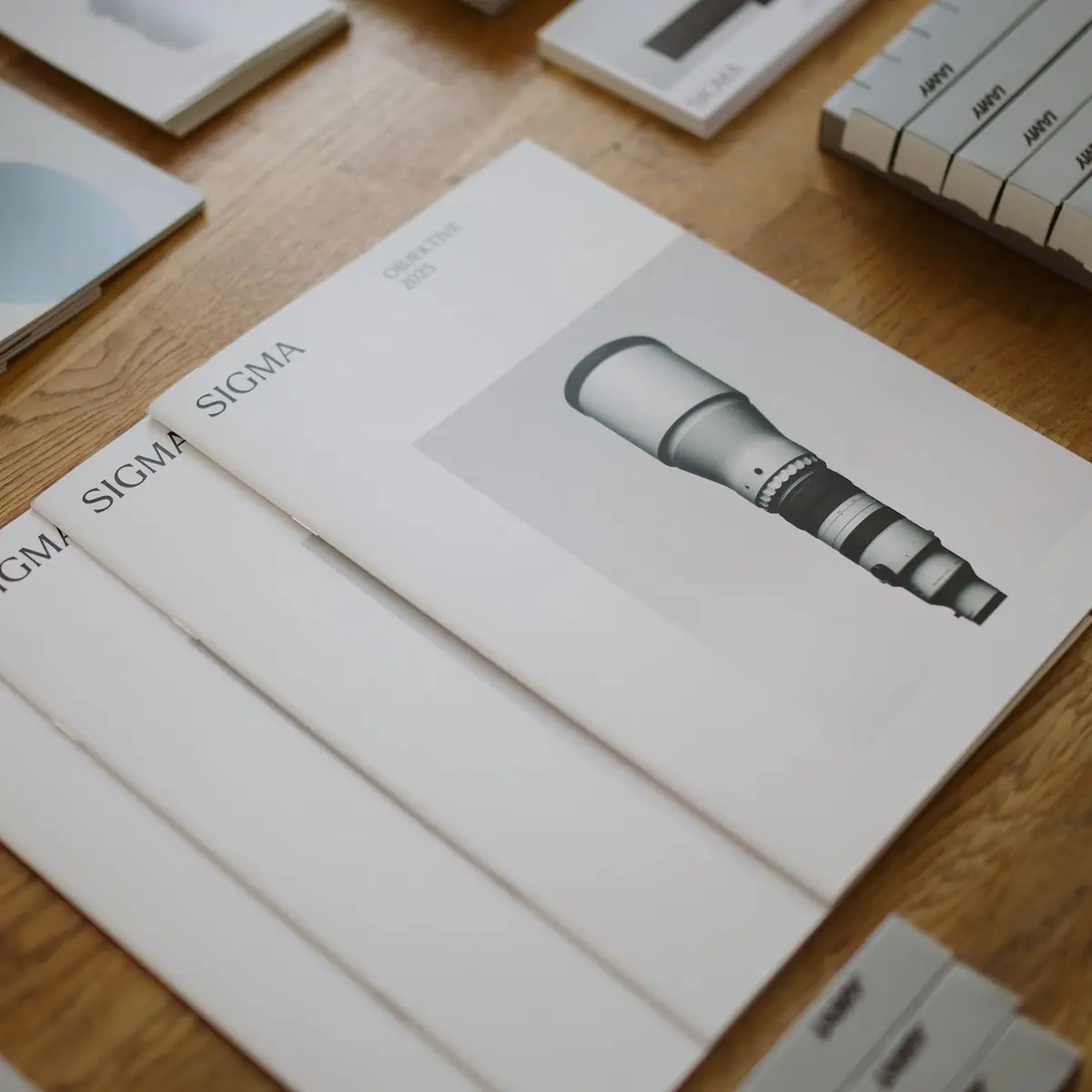
Saddle stitching and perfect binding are the two most common ways to bind booklets, catalogs, magazines and books. Saddle stitching folds the pages and staples them through the spine. Perfect binding glues the pages into a wraparound cover with a flat, square spine. The right choice depends mostly on your page count, your budget and how the piece will be used.
The short version
- Saddle stitch suits lower page counts, such as programs, booklets, newsletters, small catalogs and many magazines. It costs less and opens fairly flat.
- Perfect binding suits higher page counts, such as books, thick catalogs and annual reports. It has a printable spine and a more finished look.
How saddle stitching works
Printed sheets are folded in half, nested inside each other and stapled through the fold. Because each sheet makes four pages, the page count must be a multiple of four, including the cover. Most saddle-stitched pieces run from 8 pages up to about 64 pages, depending on the paper weight. Thicker papers reach the practical limit sooner.
In thicker booklets the inner pages push outward slightly, an effect called creep. Keep text and page numbers a little farther from the outside edges so nothing is trimmed too close.
How perfect binding works
The pages are gathered, the spine edge is roughened and glued, and a cover is wrapped around them and trimmed on three sides. Perfect binding needs enough pages to form a solid spine, usually 40 pages or more depending on the paper. The spine width depends on the page count and paper thickness, so the cover file is built after the page count and stock are final.
Once the spine is about a quarter inch wide, it can carry the title and author, which matters for books on a shelf. Perfect-bound pages do not lie flat on their own, so leave extra inside margin near the spine.
Other binding options
- Wire-O and spiral binding: pages are punched and held with a wire or coil. The piece lies completely flat, which suits manuals, calendars and workbooks.
- Lay-flat binding: a glued binding designed to open flat, useful for cookbooks.
- Case binding: a hardcover binding for books that need to last.
Which binding to choose
- Event programs, small booklets and newsletters: saddle stitch.
- Magazines: saddle stitch for most issues, perfect binding for thick issues. See magazine printing.
- Catalogs and annual reports: saddle stitch for shorter documents, perfect binding when the page count is high or a spine is wanted.
- Books: perfect binding or case binding. See book printing.
- Manuals and recipe books: Wire-O or a lay-flat binding.
Cost and paper
Saddle stitching is usually the less expensive binding, especially on short runs, because it uses fewer steps. Perfect binding costs more to set up but gives a more book-like result. Recycled text and cover stocks work well with both bindings. Coated recycled stocks suit photography, and uncoated stocks suit text-heavy pages. Our paper weight guide explains text and cover weights, and our guide to eco friendly book printing covers recycled papers for books.
Common questions
How many pages can be saddle stitched?
Most saddle-stitched booklets run from 8 to about 64 pages, in multiples of four. The limit depends on the paper weight.
What is the minimum page count for perfect binding?
Usually about 40 pages, depending on the paper. Fewer pages do not give the glue enough spine to hold.
Which is cheaper, saddle stitch or perfect binding?
Saddle stitching is usually cheaper, particularly for short runs and lower page counts.
Does a saddle-stitched booklet lie flat?
It opens fairly flat at the center spread. For a piece that must stay completely flat, choose Wire-O or spiral binding.
Products mentioned in this piece
Everything below prints on recycled, FSC-certified stock with soy-based inks. Ask for a quote on any of it.

Printing something like this?
Thirty-six years of sourcing recycled stock, put to work on your job. Tell us what you need and Greg will come back with stock options, a price and a date.