Sticker and label sizes: common dimensions for products and packaging
Common sticker and label sizes for logos, packaging, jars, bottles and shipping, with tips on measuring a container and choosing a material.
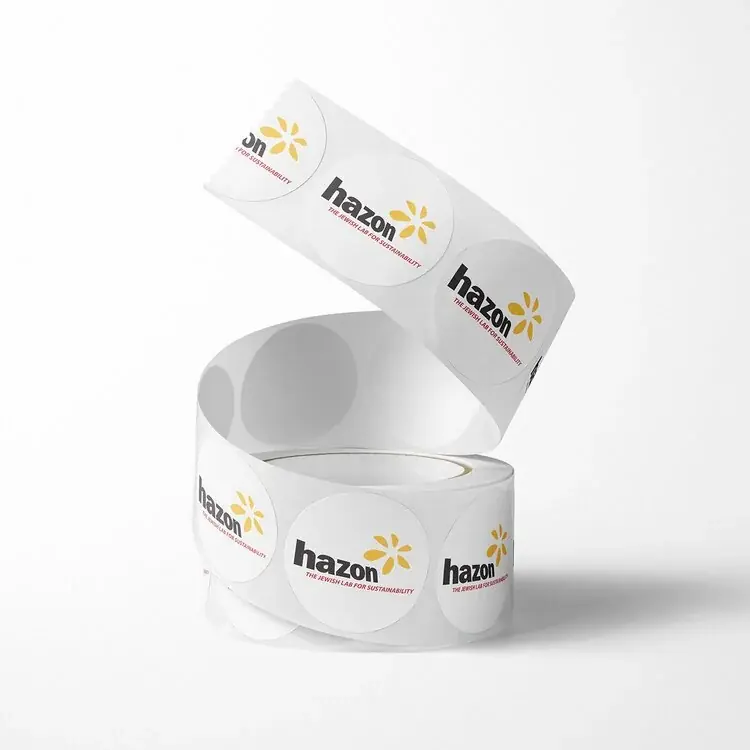
Sticker and label sizes are less standardized than paper sizes, because a label has to fit the product it goes on. Still, most orders fall into a handful of common sizes. This guide lists them, explains how to measure a container for a wrap label and covers file setup and materials.
To price an order, see our eco friendly custom stickers and recycled labels.
Common sticker sizes
- 1 in and 1.5 in circles: seals for bags, envelopes and boxes.
- 2 in circles and squares: the most popular size for logo stickers, packaging seals and giveaways.
- 3 in circles and squares: laptop, water bottle and promotional stickers.
- 4 in circles and squares: larger logo stickers and window or box graphics.
- 3 x 10 in to 3 x 12 in rectangles: bumper sticker sizes.
- Custom die-cut: stickers cut to the outline of a logo or illustration.
Common label sizes
- Address labels: about 1 x 2.625 in, the size used on standard 30-label sheets.
- Return address labels: about 0.5 x 1.75 in to 0.75 x 2.25 in.
- Shipping labels: 4 x 6 in, the size most carriers and label printers use.
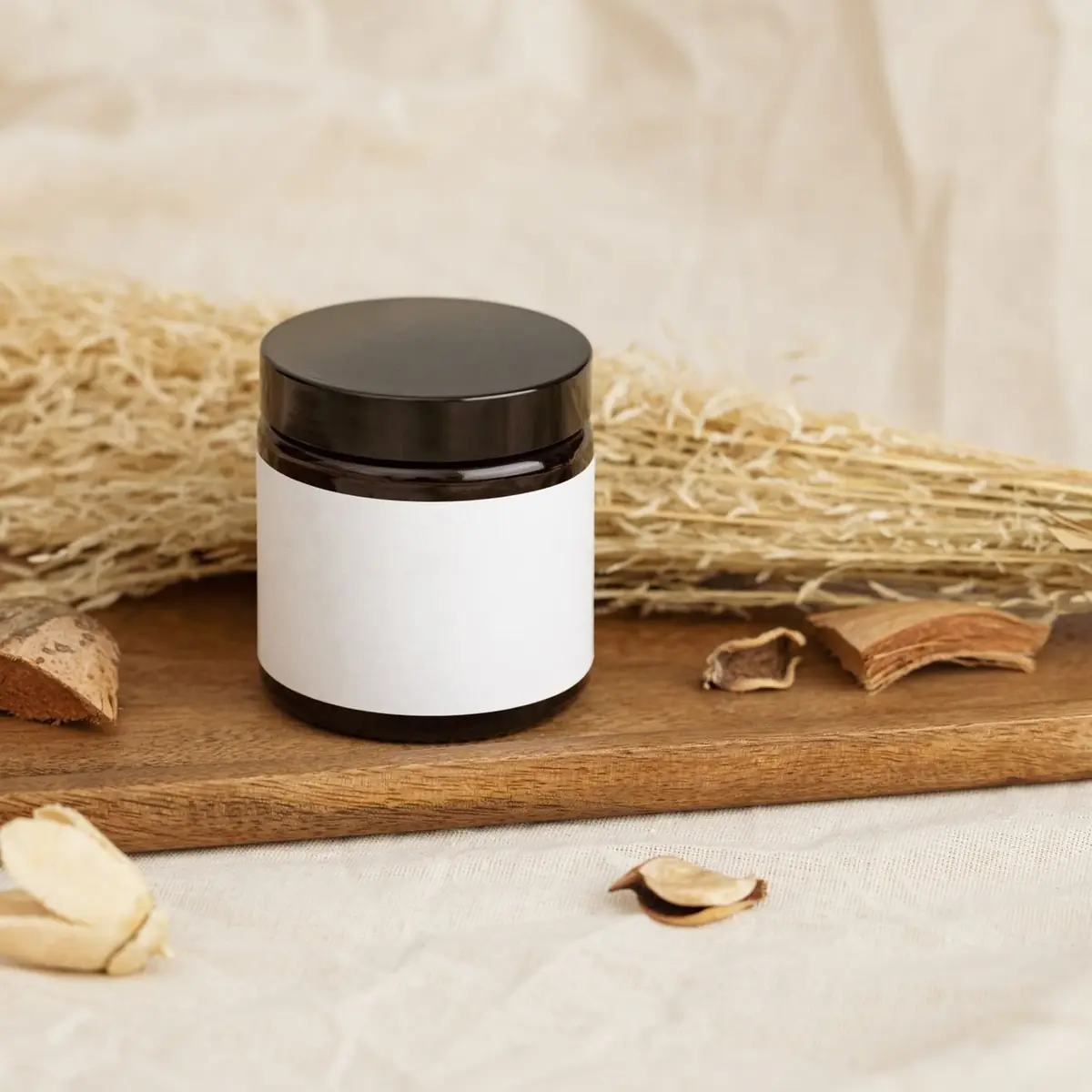
- Jar lid labels: round labels sized just inside the lid, often 1.5 to 3 in across.
- Coffee and snack bag labels: commonly 2 x 3 in to 4 x 6 in, depending on the bag.
- Bottle and wrap labels: sized to the container, as described below.
How to measure a container for a label
- Height: measure the flat part of the container, where the label can sit without curving over a shoulder or base, then subtract about 0.25 in for clearance.
- Front labels: on a round bottle or jar, a front label is usually a third to a half of the circumference wide.
- Full wrap labels: measure around the container with a strip of paper, then subtract about 0.25 in so the ends do not overlap unevenly, or add overlap if you want the ends to meet.
- Test it: print the size on plain paper, cut it out and tape it to the container before you finalize the design.
Sheets, rolls and cut styles
- Die-cut: each sticker is cut through the backing to its own shape. Good for handouts and giveaways.
- Kiss-cut: the sticker is cut but the backing is not, so stickers stay on a sheet and peel off easily.
- Sheets: several stickers on one backing, useful for small runs and hand application.
- Rolls: labels on a roll, best for larger quantities and labeling machines.
How to set up the file
- Build the file at the finished size and add bleed, usually 0.0625 to 0.125 in on every side.
- Keep text and logos at least 0.0625 in inside the cut line.
- For custom shapes, supply the cut line as a vector path on its own layer.
- Use images at 300 ppi at final size.
Materials
Paper labels suit boxes, mailers and bags, and they can be recycled with the paper package. Waterproof labels for bottles, jars and anything kept cold need a synthetic or stone paper facestock. Compostable film suits food packaging that will be composted. As a rule, a label is easiest to recycle when it matches the material of the surface it goes on. Our guides to recyclable and compostable stickers and sustainable product labels compare the materials in more detail. For tags that hang from a product, see custom hang tags.
Common questions
What is the most common sticker size?
2 inch and 3 inch circles and squares are the most common sizes for logo and promotional stickers.
What size is a shipping label?
Most shipping labels are 4 x 6 inches.
How do I measure a jar for a label?
Measure the height of the flat area and the distance around the jar, then subtract a little from each so the label sits clear of curves and seams.
What is the difference between kiss-cut and die-cut stickers?
A kiss-cut sticker is cut through the sticker but not the backing, so it stays on a sheet. A die-cut sticker is cut through both, so each one is separate.
Products mentioned in this piece
Everything below prints on recycled, FSC-certified stock with soy-based inks. Ask for a quote on any of it.
Printing something like this?
Thirty-six years of sourcing recycled stock, put to work on your job. Tell us what you need and Greg will come back with stock options, a price and a date.