A-frame sign size: standard insert sizes and materials
Standard A-frame sign sizes, led by the 24 x 36 in insert, plus text sizes for viewing distance, insert materials and tips for outdoor use.

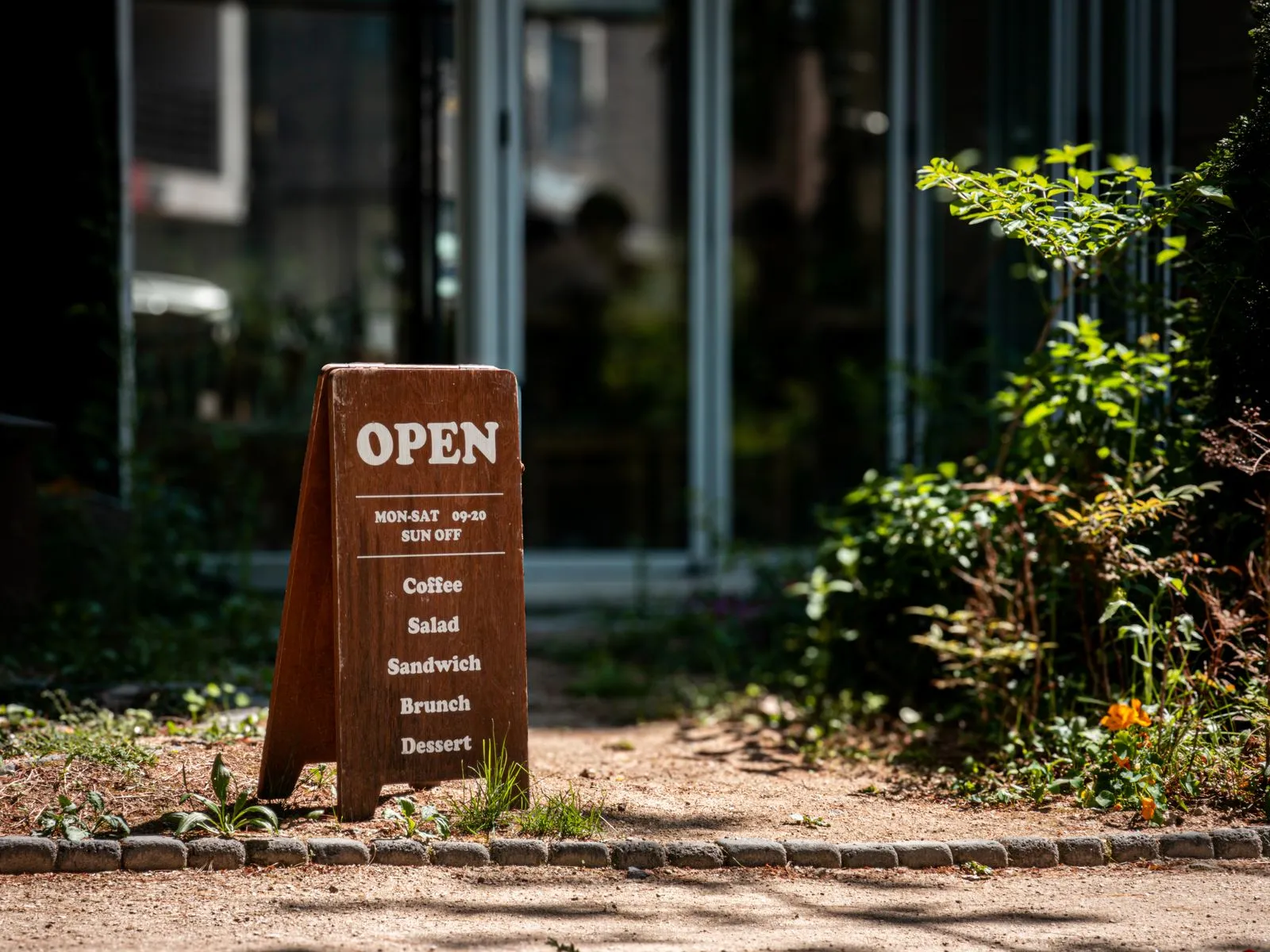
The most common A-frame sign size takes a 24 x 36 in insert, which is the standard for sidewalk signs outside shops, restaurants and offices. Smaller frames often take 18 x 24 in or 22 x 28 in inserts, and some compact frames use 11 x 17 in. The outside of the frame is a few inches larger than the insert. This guide covers A-frame sign sizes, how big to make your text, which insert material to choose and how to keep a sign standing outdoors.
Standard A-frame sign sizes
An A-frame sign, also called a sandwich board or sidewalk sign, is two panels hinged at the top so the sign stands on its own and shows a message on both sides. Frame sizes vary by manufacturer, but most are built around a few standard insert sizes.
| Insert size | Typical use |
|---|---|
| 24 x 36 in | The most common size. Storefronts, restaurants, salons and real estate open houses |
| 22 x 28 in | Slightly smaller frames and tight sidewalks |
| 18 x 24 in | Compact signs, indoor directions and event wayfinding |
| 11 x 17 in | Countertop and tabletop A-frames |
| Custom sizes | Larger signs for parking lots and roadside use |
Always measure the visible area of your frame before you order inserts. Many frames hold the insert behind a border or under a lens, so the visible area can be smaller than the insert itself. These sizes also match common poster sizes, so our guide to poster sizes is useful if you plan to print paper inserts.
Viewing distance and type size
A sidewalk sign is usually read from a few feet to about 30 feet away, often by people walking past at a steady pace. A common rule of thumb for signs is about 1 inch of letter height for every 10 feet of viewing distance, and larger letters for better impact. For a 24 x 36 in sign, that usually means:
- Headline: 3 to 5 in tall, so people can read it from across the sidewalk or street.
- Supporting line: 1.5 to 2 in tall, for an offer, hours or a short description.
- Small details: no smaller than about 1 in, for a website or phone number.
Keep the message short. A headline, one supporting line and an arrow or logo is usually enough. Use high contrast, such as dark text on a light background, and a simple, bold typeface. Leave about 1 in of clear space around the edges so the frame does not cover any text.
Insert materials
- Corrugated plastic (coroplast): the most common choice for outdoor inserts. It is lightweight, water resistant and slides into most frames. It is the same material used for many yard signs.
- Rigid board: PVC board or aluminum composite panels are stiffer and more durable. They suit signs that stay out every day for a long time.
- Paper posters behind a lens: many frames have a snap frame and a clear plastic cover. A printed paper poster slides behind the lens and can be changed in minutes. This is a low-cost way to change a message often.
- Recycled paper: for indoor signs or posters behind a lens, a heavy recycled cover stock works well and keeps the sign easy to recycle when you change it.
Outdoor wind and weather
A-frame signs catch wind like a sail, so placement and weight matter.
- Choose a frame with a wide base, and add weight if the sign stands in an open or windy spot. Some frames have a water or sand base for this purpose.
- Place the sign so it does not block the sidewalk, doorways or ramps. Many towns have rules about sidewalk signs, so check with your local office before you place one.
- Bring the sign in at night and during storms. This protects the insert and the frame.
- Use outdoor-rated materials for inserts that stay out all day. Paper posters should stay behind a sealed lens when used outdoors.
Reusing frames with new inserts
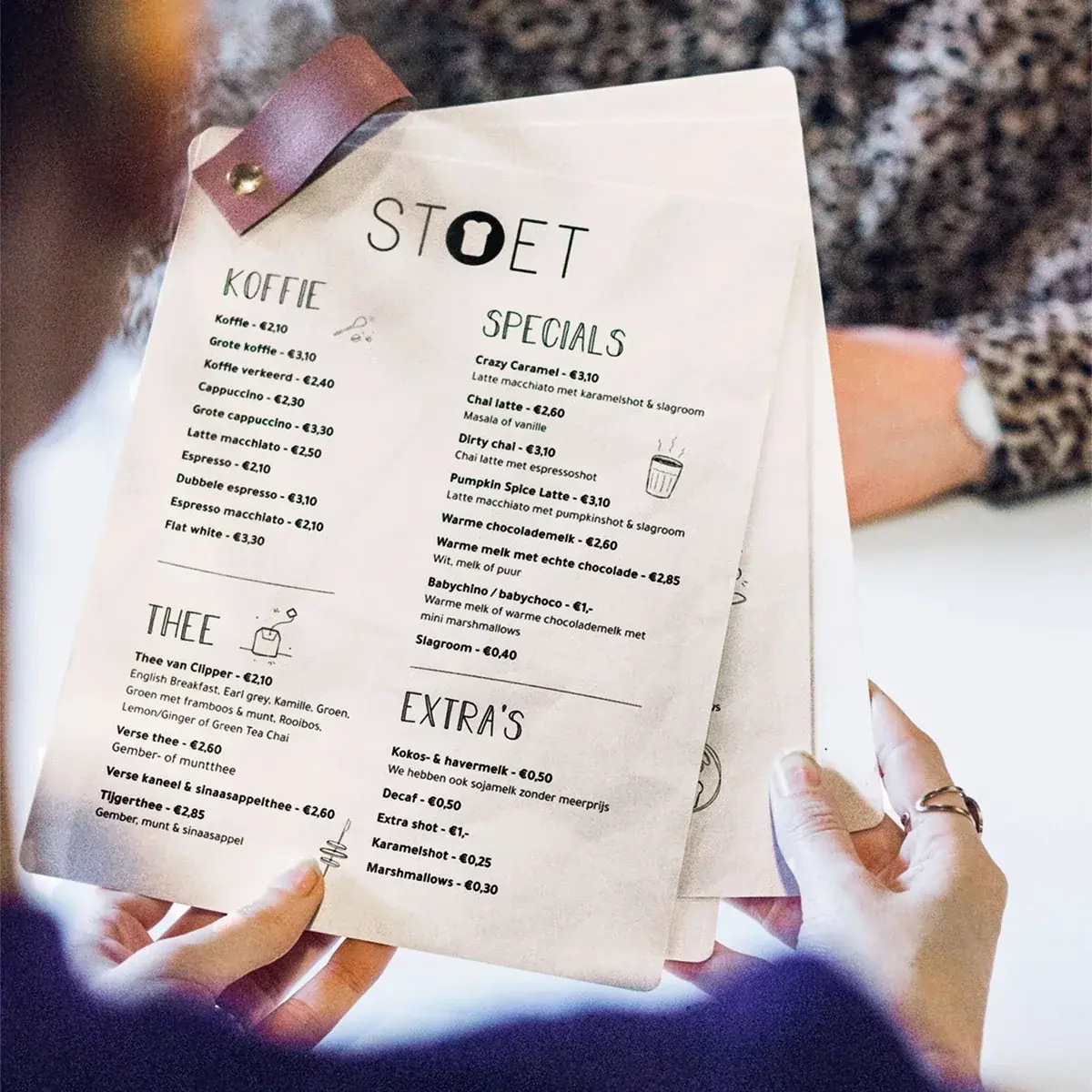
One of the main advantages of an A-frame is that the frame lasts for years while the message changes. Many businesses print a set of inserts and rotate them: one for daily hours, one for weekly specials and one for seasonal events. Restaurants often pair a sidewalk sign with their printed menus so the specials and the design match. Our menu printing page covers that side of the job.
If you plan to change inserts often, keep a consistent template with your logo, colors and contact details in the same place each time. This keeps the signs recognizable and makes new inserts quick to set up.
File setup for A-frame inserts
- Set the file to the insert size, such as 24 x 36 in, and add 0.125 in of bleed if color runs to the edge.
- Keep important text and logos at least 1 in inside the edge.
- Use images at about 150 ppi or higher at full size. Signs are viewed from a distance, so they do not need the resolution of a brochure.
- If both sides of the frame need inserts, say whether they should be the same or different.
Ordering A-frame inserts
See our A-frame signs page for options. When you request a quote, include the insert size, the material, the number of sides and whether you need one design or a set. If you also need signs that stake into the ground, our guide to yard sign sizes covers those. Most orders are ready in one to two weeks from artwork approval.
Common questions
What is the standard size of an A-frame sign?
Most A-frame signs take a 24 x 36 in insert. Smaller frames commonly take 18 x 24 in or 22 x 28 in inserts.
How big should the text be on an A-frame sign?
For a 24 x 36 in sign, a headline 3 to 5 in tall is a good starting point, with supporting text of at least 1.5 in.
What material is best for an outdoor A-frame insert?
Corrugated plastic is the most common choice. Rigid PVC or aluminum composite lasts longer, and paper posters work behind a sealed lens.
Can I change the inserts in an A-frame sign?
Yes. Most frames are designed for replaceable inserts, so you can keep the frame and print new inserts as your message changes.
Products mentioned in this piece
Everything below prints on recycled, FSC-certified stock with soy-based inks. Ask for a quote on any of it.

Printing something like this?
Thirty-six years of sourcing recycled stock, put to work on your job. Tell us what you need and Greg will come back with stock options, a price and a date.