Poster sizes: standard print dimensions chart
Standard poster sizes from 11 x 17 to 24 x 36 inches, international A sizes, frame sizes and how to set up a poster file at the right resolution.
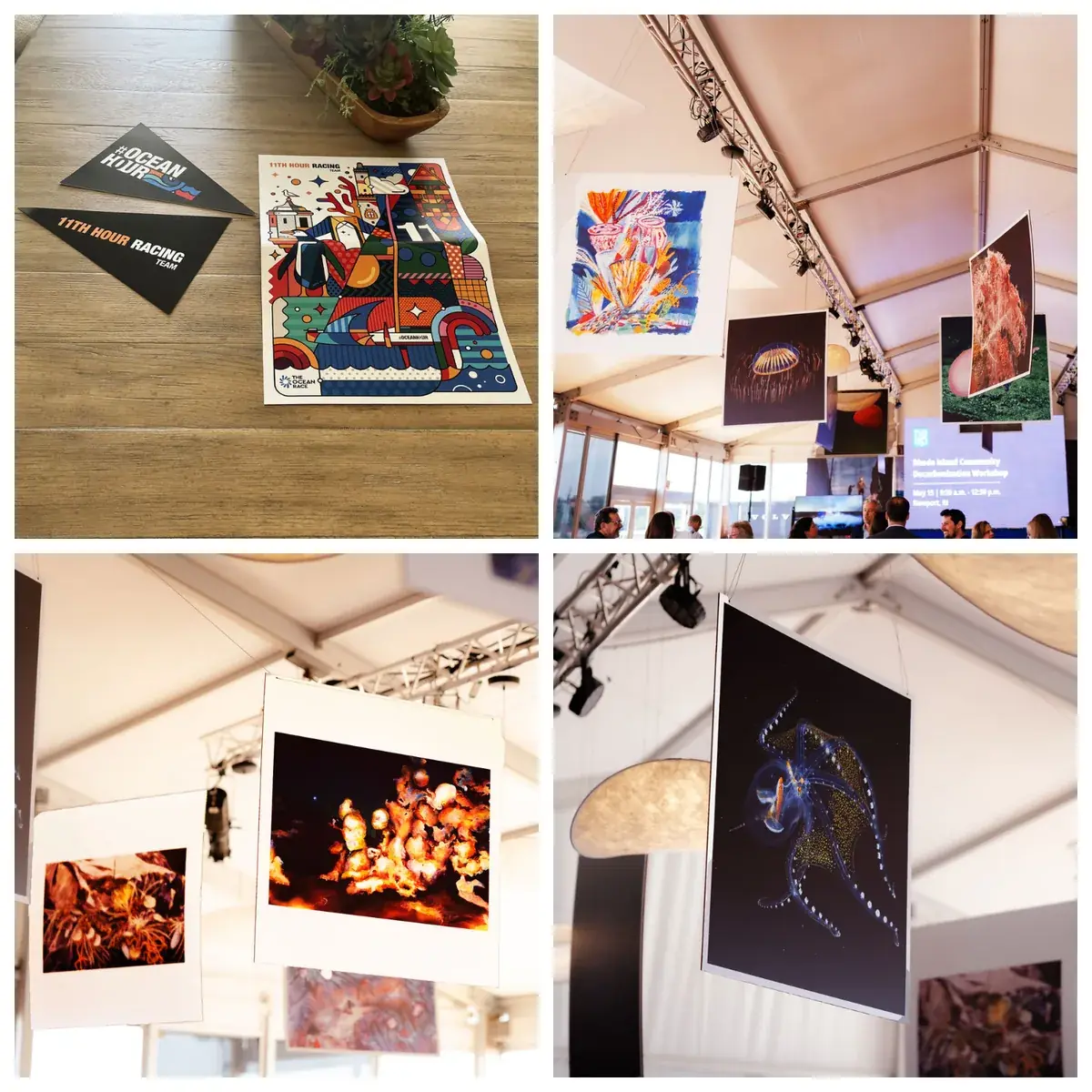
The most common poster sizes in the United States are 11 x 17, 18 x 24 and 24 x 36 inches. Outside North America, posters are usually printed in A sizes, from A3 up to A0. This chart lists the standard sizes, what each one suits and how to set up the file.
To print posters on recycled paper or plastic-free board, see our flyers and posters.
Standard US poster sizes
- 11 x 17 in: a small poster, also called tabloid. Good for bulletin boards, store windows and event notices.
- 12 x 18 in: a small poster with a little more room than 11 x 17.
- 18 x 24 in: a medium poster for events, retail displays and classrooms.
- 24 x 36 in: the most common large poster, used for trade shows, lobbies and concerts.
- 27 x 40 in: the traditional movie poster size, also called a one sheet.
International A poster sizes
- A3: 297 x 420 mm (11.7 x 16.5 in)
- A2: 420 x 594 mm (16.5 x 23.4 in)
- A1: 594 x 841 mm (23.4 x 33.1 in)
- A0: 841 x 1189 mm (33.1 x 46.8 in)
Each A size is half the area of the size above it, so artwork scales between them without changing shape. A sizes are a slightly different shape from US sizes, so a design made for 18 x 24 in will not fill an A2 sheet exactly.
Which poster size to choose
- Close viewing, small spaces: 11 x 17 or 12 x 18 in.
- Events and retail: 18 x 24 in is large enough to read across a room and easy to hang.
- Trade shows and lobbies: 24 x 36 in, or larger on a rigid board.
- Outdoor and very large: a banner on recycled textile usually holds up better than paper. See signs and banners.
A common rule of thumb for readability is about one inch of letter height for every ten feet of viewing distance. Keep the headline short and large.
Standard frame sizes
If posters will be framed, design to a standard frame size so you do not need a custom frame: 11 x 14, 16 x 20, 18 x 24 and 24 x 36 in are the most common.
Resolution and file setup
- Build the file at the final size and add 0.125 in of bleed on every edge.
- For small posters seen up close, use images at 300 ppi at final size.
- For large posters seen from a distance, 150 ppi at final size is usually enough.
- Use vector artwork for logos and type so edges stay sharp at any size.
Pixel dimensions at those resolutions:
- 11 x 17 in at 300 ppi: 3300 x 5100 px
- 18 x 24 in at 150 ppi: 2700 x 3600 px
- 24 x 36 in at 150 ppi: 3600 x 5400 px
Our guide to print-ready files covers bleed, color and export settings.
Paper and boards for posters
Paper posters print well on 100% post-consumer recycled stock. For posters that need to stand stiff or be mounted, eco board made from 100% post-consumer recycled material is a plastic-free alternative to foam core. For posters that will be framed, a heavier poster paper gives a smooth finish. Self-standing posters can be mounted with an easel back; see easel back prints.
Common questions
What is the most common poster size?
24 x 36 inches is the most common large poster size in the United States. 18 x 24 inches is the most common medium size.
What size is A1 in inches?
A1 is 23.4 x 33.1 inches (594 x 841 mm).
What resolution does a 24 x 36 poster need?
150 ppi at full size is usually enough for a poster viewed from a few feet away, which is 3600 x 5400 pixels.
What is the difference between 18 x 24 and A2?
A2 is 16.5 x 23.4 inches, so it is narrower and a little shorter than an 18 x 24 inch poster.
To price posters on recycled paper or eco board, request a quote with the size and quantity.
Products mentioned in this piece
Everything below prints on recycled, FSC-certified stock with soy-based inks. Ask for a quote on any of it.
Printing something like this?
Thirty-six years of sourcing recycled stock, put to work on your job. Tell us what you need and Greg will come back with stock options, a price and a date.