Embossing vs debossing, foil stamping and spot UV: print finishes explained
Embossing raises a design and debossing presses it in. Here is how both work, plus foil stamping and spot UV, the best papers and recycling notes.
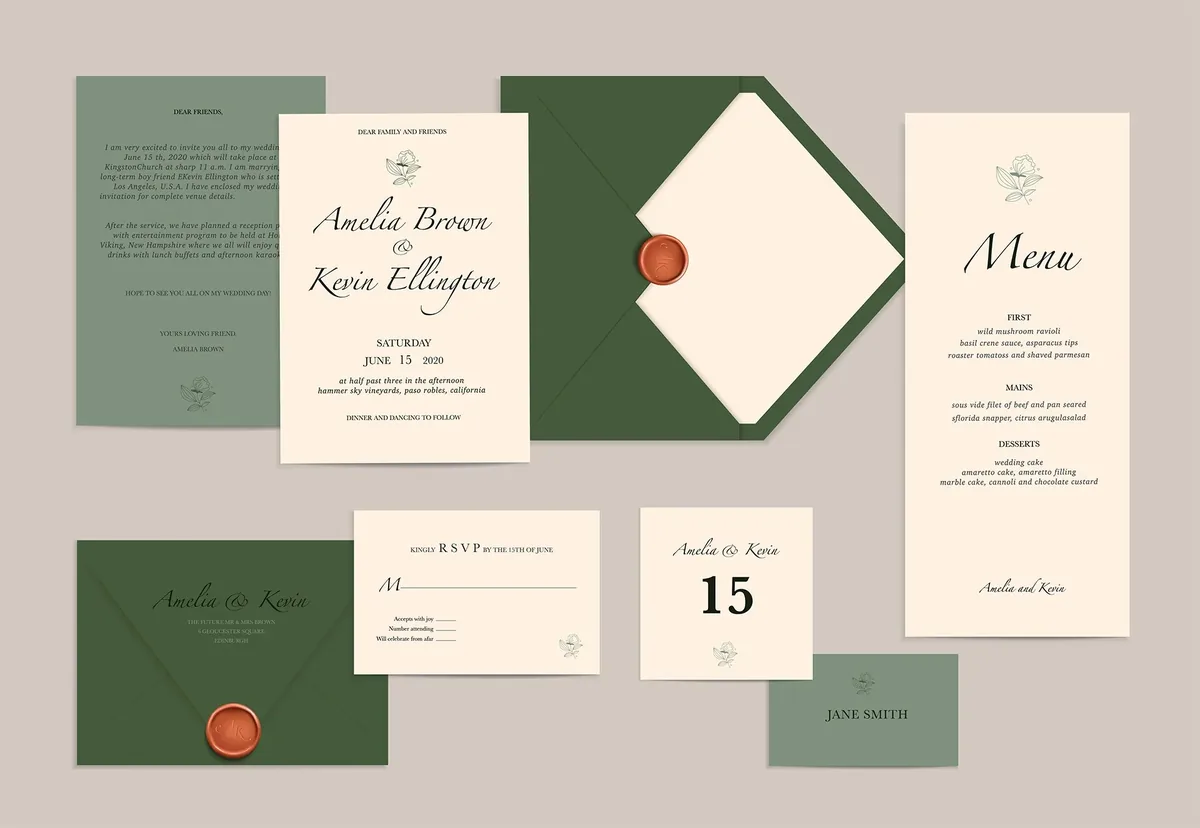
Embossing raises part of a design above the surface of the paper. Debossing presses it into the paper. Both use a metal die and pressure, and both add texture that people notice when they pick up a card. Foil stamping and spot UV are two other finishes that are often used with them. This guide explains how each one works, which papers suit it and how it affects recycling.
Embossing
Embossing pushes the paper up from behind with a pair of matched dies, so a logo or pattern stands above the surface. The back of the sheet shows a matching dent. Embossing works best on thick, uncoated stocks that stretch without cracking, and it suits bold shapes better than fine detail.
Debossing
Debossing presses the design down into the front of the sheet. It is the more common choice for business cards and invitations, because the impression reads clearly and the back of a thick card stays smooth. Letterpress printing creates a similar pressed-in effect while it prints the ink. See our guide to letterpress business cards.
Blind and registered finishes
- Blind embossing or debossing uses no ink or foil. The design shows only as texture and shadow, which gives a quiet, premium look.
- Registered embossing or debossing lines up with printed ink or foil, so the color sits exactly on the raised or pressed area.
Foil stamping
Foil stamping uses a heated die to press a thin layer of metallic or colored foil onto the paper. Gold, silver, copper and rose gold are the most common colors, and matte and pigment foils are also available. Foil can be combined with embossing, which is called foil embossing, or used flat. It looks best on smooth stocks and on bold shapes and type.
Spot UV
Spot UV is a clear, glossy coating applied to selected areas of a printed sheet and cured with ultraviolet light. It makes a logo, photo or pattern shine against a matte background. Spot UV needs a coated or smooth surface to sit on, so it is usually paired with a matte or soft-touch base rather than an uncoated sheet.
Which paper works best
- Embossing and debossing: heavy uncoated and cotton stocks, often 100lb cover or heavier, take the deepest and cleanest impression. See our cotton paper page.
- Foil stamping: smooth stocks give the sharpest edges. Heavily textured papers can show gaps in the foil.
- Spot UV: matte coated or soft-touch stocks give the strongest contrast.
Finishes and recycling
Blind embossing and debossing add no material, so they do not change how a card is recycled. Hot stamping foil is a very thin layer, and small foil accents usually do not stop paper from being recycled, while large foil areas can. Spot UV is also a thin coating, but large coated areas make paper harder to deink. For the most recyclable result, choose blind debossing or letterpress on an uncoated recycled sheet, and keep foil and coatings to small details.
Cost and file setup
Embossing, debossing and foil stamping each need a custom die, which adds a one-time setup cost. On short runs the die is a larger share of the price, and on longer runs the cost per piece drops. Spot UV needs no die but adds a separate pass.
- Supply each finish as its own layer or file, in 100% of a single spot color, lined up exactly with the artwork.
- Use vector artwork for every finish.
- Avoid very fine lines and small type in foil and debossed areas, because they can fill in.
- Leave space around debossed areas on thin stocks, since the impression can show on the back.
Our print-ready files guide covers the rest of the file setup, and our guide to matte vs glossy business cards compares base finishes. We offer foil stamping, blind debossing, letterpress and spot gloss on many of our stocks; see eco friendly business cards and wedding invitations for the options on each product.
Common questions
What is the difference between embossing and debossing?
Embossing raises the design above the paper surface. Debossing presses the design into the paper. Both use a metal die and pressure.
Which is better for business cards, embossing or debossing?
Debossing is more common on business cards because it reads clearly on thick stock and keeps the back of the card smooth. Embossing suits bold logos on heavy uncoated paper.
What is spot UV?
Spot UV is a clear, glossy coating printed on selected areas of a sheet and cured with ultraviolet light, so those areas shine against a matte background.
Can foil stamped paper be recycled?
Small foil accents usually do not stop paper from being recycled. Large foil areas can, so check with your local recycling program.
Products mentioned in this piece
Everything below prints on recycled, FSC-certified stock with soy-based inks. Ask for a quote on any of it.

Printing something like this?
Thirty-six years of sourcing recycled stock, put to work on your job. Tell us what you need and Greg will come back with stock options, a price and a date.