Letterpress business cards: paper, design and file setup
How letterpress business cards are printed, the best paper for a deep impression, design rules that keep the plate clean and how to set up your file.
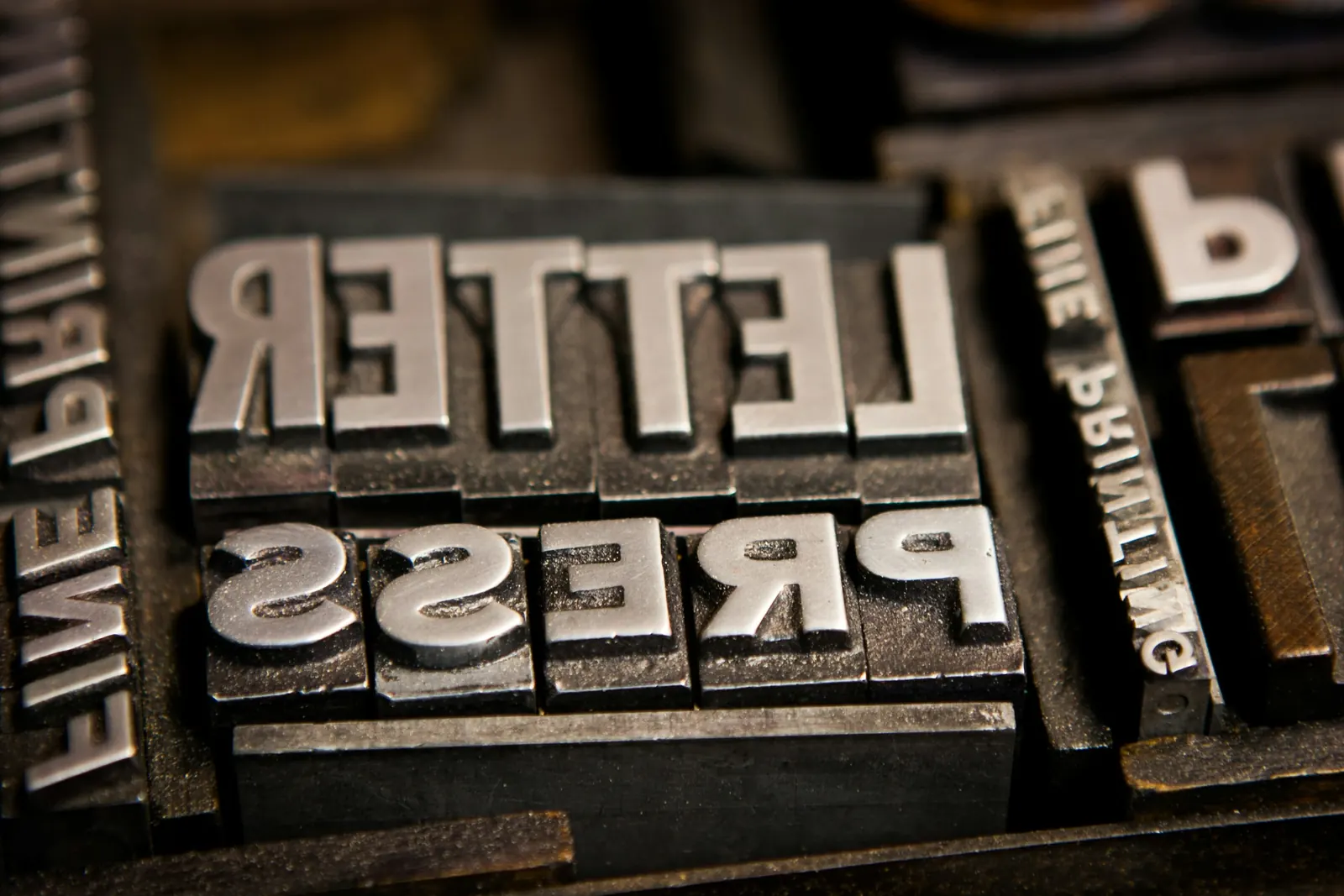
Letterpress business cards are printed by pressing inked, raised plates into thick paper. The design leaves a slight impression you can see and feel. Letterpress is one of the oldest printing methods, and it is still a popular choice for cards that need to feel special.
Letterpress is one of the finishes available on our eco friendly business cards. This guide covers how letterpress works, which paper to choose and how to design a card that prints well.
How letterpress printing works
Your design is made into a plate, usually a photopolymer plate, with the image raised above the surface. The plate is inked and pressed into the paper one sheet at a time. Each ink color needs its own plate and its own pass through the press, so a two-color card is printed twice.
Because the plate presses into the paper, letterpress works best on soft, thick stock that can hold the impression. The deeper the impression, the more noticeable it is from the front, and the more it may show on the back.
Best paper for letterpress business cards
- Cotton paper: soft, thick and absorbent, it takes a deep impression better than most stocks. 110lb cotton is a common choice. See cotton paper.
- Duplex stock: two sheets pressed together for a very thick card. It allows printing on both sides without the impression showing through, and the edges can be painted.
- Recycled uncoated stock: heavy recycled cover stock works for a lighter impression and a natural look.
Coated and glossy papers are a poor fit for letterpress, because they are hard and do not take an impression well.
Designing for letterpress
- Keep the color count low. One or two colors is typical. Each extra color adds a plate and a press run.
- Use solid colors. Letterpress prints flat spot colors. Photos, gradients and fine screens do not print well.
- Avoid large solid areas. Big flooded areas can print unevenly and hide the impression. Type, line art and small logos look best.
- Watch the line weight. Very thin lines may not hold on the plate. Keep lines at 0.25 point or heavier, and avoid very small reversed type.
- Leave space between elements. Fine details placed very close together can fill in.
- Think about the back. A deep impression on a single sheet shows on the reverse. Choose duplex stock if you want to print both sides.
- Consider blind deboss. An impression with no ink at all gives a subtle, tactile look.
How to set up a letterpress file
- Supply vector artwork, such as a PDF or Illustrator file, with all text converted to outlines.
- Set each ink as its own spot color, and name the Pantone color for each one.
- Use 100% solid color. Avoid tints, transparency and drop shadows.
- Build the card at final size, 3.5 x 2 in for a standard US card, and add 0.125 in of bleed only if a color runs to the edge.
Our business card size guide and Pantone color matching guide cover sizing and spot colors in more detail.
What affects the price of letterpress cards
- The number of ink colors, because each color needs a plate and a press run
- Printing on one side or both sides
- The paper, especially cotton and duplex stocks
- Extras such as painted edges, foil or rounded corners
- Quantity, since setup costs are spread across more cards on larger orders
Letterpress usually takes longer than digital printing because each color is printed separately. Include your deadline when you request a quote.
Common questions about letterpress business cards
Are letterpress business cards worth it?
They cost more than digitally printed cards, but many people keep them because of how they look and feel. They are a good fit for designers, wedding and event businesses, restaurants and any brand built on craft.
Can letterpress print full color photos?
No. Letterpress prints solid spot colors. For a photo, digital or offset printing is a better choice.
Is letterpress eco friendly?
Letterpress uses little ink and works well on cotton and recycled papers. Uncoated cotton and recycled cards with no plastic coating can be recycled with paper.
What is the difference between letterpress and embossing?
Letterpress presses ink into the paper, leaving a recessed design. Embossing raises the design above the surface, usually without ink. Debossing presses the design down, like letterpress, without ink.
To price letterpress cards, request a quote with your artwork, the number of colors and the quantity.
Products mentioned in this piece
Everything below prints on recycled, FSC-certified stock with soy-based inks. Ask for a quote on any of it.
Printing something like this?
Thirty-six years of sourcing recycled stock, put to work on your job. Tell us what you need and Greg will come back with stock options, a price and a date.