Letterpress printing: how it works, paper and design tips
Letterpress printing presses a raised, inked plate into soft, thick paper. This guide covers how modern letterpress works, the best paper, design limits and what letterpress suits.
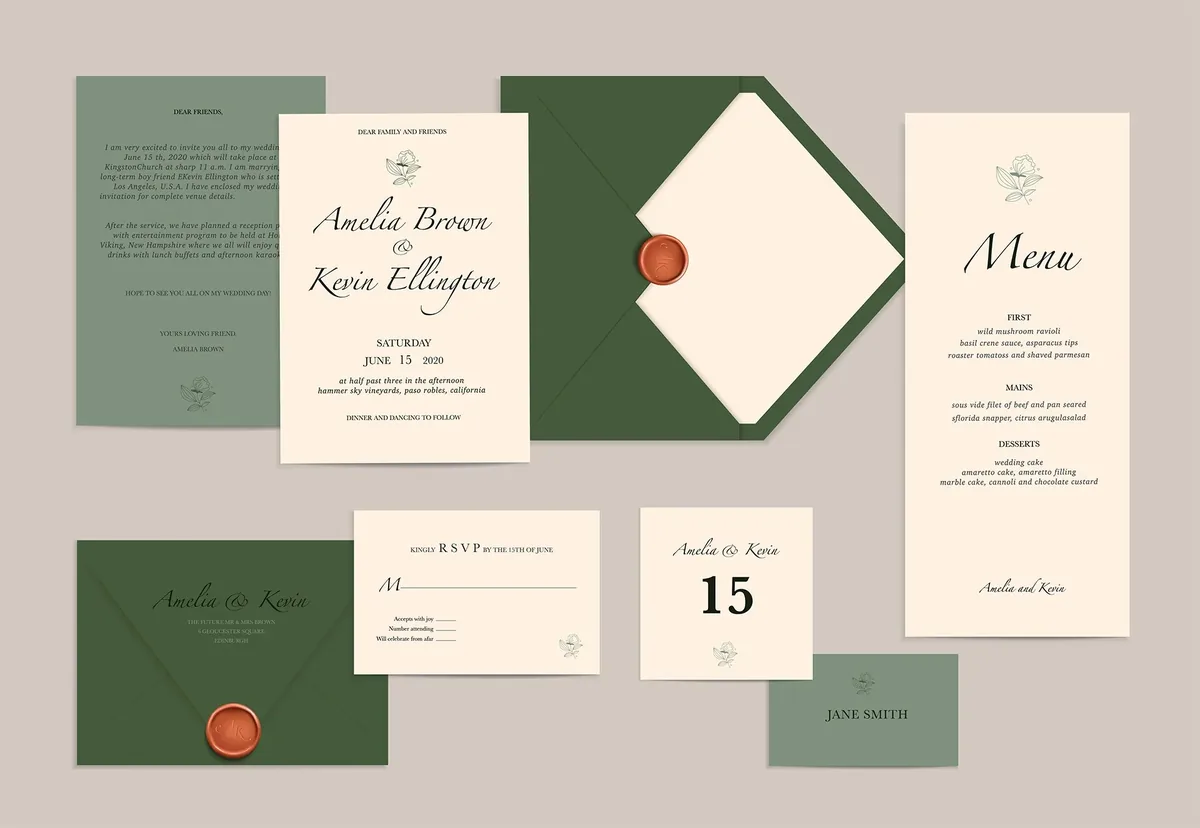
Letterpress printing is a relief printing method: a raised surface is inked and pressed into paper. It is one of the oldest printing methods, dating back to movable type in the 1400s. Today it is used for wedding invitations, business cards, notecards and stationery where the feel of the paper is part of the design.
How letterpress printing works
Historically, letterpress used metal or wood type set by hand. Most letterpress work today uses photopolymer plates made from a digital file. The plate has the design raised above its surface, much like a rubber stamp.
- The design is made into a plate, one plate for each ink color.
- The plate is mounted on a letterpress, and rollers ink the raised areas.
- Each sheet is pressed against the plate. The raised areas print the ink and press the design into the paper.
- For a second color, the sheets go through the press again with the next plate.
The pressure leaves an impression, a slight dent in the paper that you can see and feel. Traditional printers aimed for a light kiss impression. A deeper impression is the more common style today.
Best paper for letterpress
- Cotton paper: soft, thick and absorbent, it takes a deep impression better than most papers. See cotton paper.
- Duplex stock: two sheets pressed together for a very thick card. It allows printing on both sides without the impression showing through.
- Heavy uncoated recycled stock: works for a lighter impression and a natural look.
Coated and glossy papers are a poor fit, because their hard surface does not hold an impression well.
Designing for letterpress
- Use one or two colors. Each color needs its own plate and its own press run.
- Use solid spot colors. Letterpress prints flat colors. Photographs, gradients and fine screens do not reproduce well.
- Keep large solid areas small. Large flooded areas can print unevenly and hide the impression.
- Watch the line weight. Very thin lines may not hold on the plate, so keep lines at 0.25 point or heavier.
- Remember that ink is translucent. On colored or kraft paper, the ink color shifts toward the color of the sheet.
- Think about the back. A deep impression on a single sheet shows on the reverse side.
Letterpress pairs well with other finishes. Blind letterpress, or a blind deboss, uses no ink at all and leaves only the impression. Foil stamping and painted edges are also common on letterpress pieces. Our guide to embossing, debossing and foil stamping explains those finishes.
What letterpress suits
- Wedding invitations, RSVP cards and save the dates
- Business cards, covered in our guide to letterpress business cards
- Notecards and personal stationery
- Coasters, hang tags and small packaging pieces
Cost and quantity
Letterpress costs more per piece than digital or offset printing. Each color needs a plate and its own setup, and each sheet is pressed individually. Letterpress is usually chosen for smaller quantities of pieces that people will handle and keep. Reducing the number of colors is the simplest way to lower the cost.
How to prepare a letterpress file
Send vector artwork, such as a PDF or Illustrator file, with all text converted to outlines. Set each ink color as a separate spot color, and set any blind deboss areas as their own spot color. Our guide to print-ready files covers the general file setup.
Common questions
What is letterpress printing?
Letterpress printing is a relief printing method where a raised, inked plate is pressed into paper, leaving a printed impression you can feel.
What paper is best for letterpress?
Thick, soft cotton paper takes the deepest impression. Duplex stock is used when both sides are printed.
Can letterpress print full-color photos?
No. Letterpress prints solid spot colors. Photographs and gradients are better suited to digital or offset printing.
Why is letterpress more expensive?
Each color needs its own plate and press run, and each sheet is pressed individually, so setup and press time are higher than for digital or offset printing.
Products mentioned in this piece
Everything below prints on recycled, FSC-certified stock with soy-based inks. Ask for a quote on any of it.
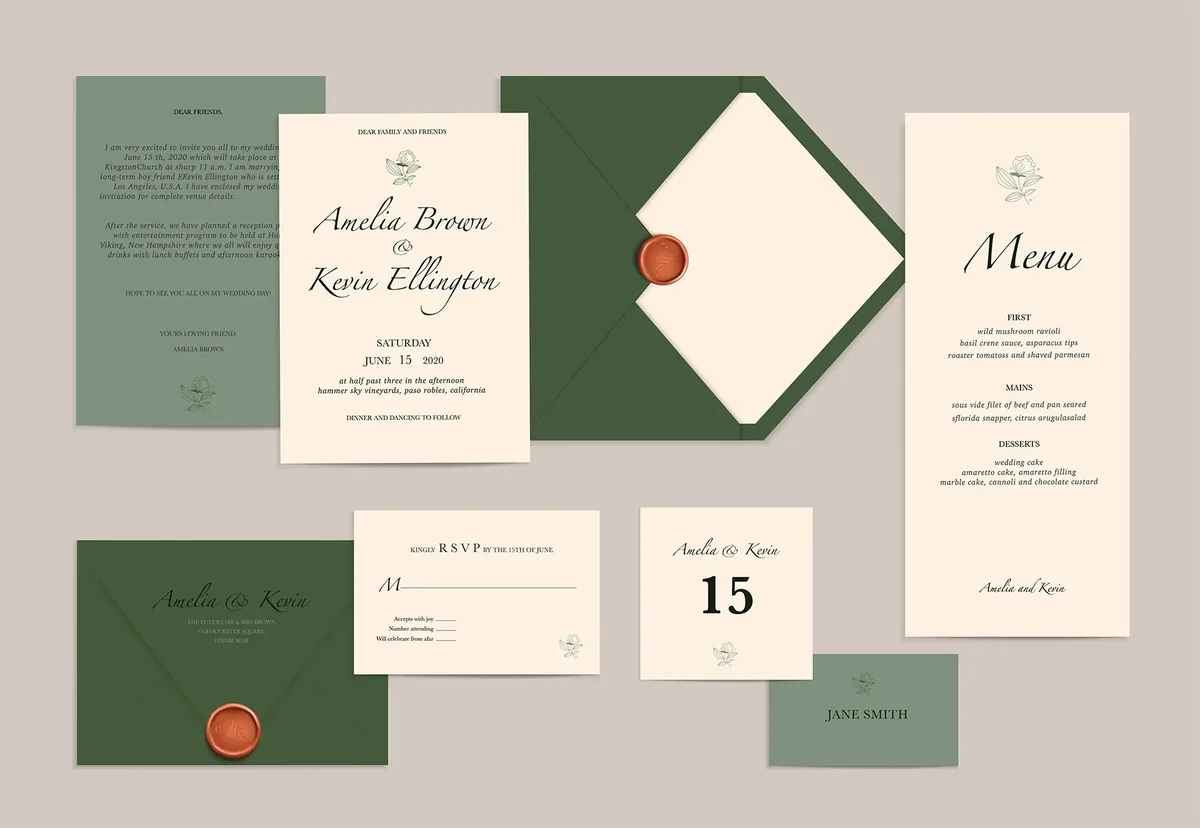
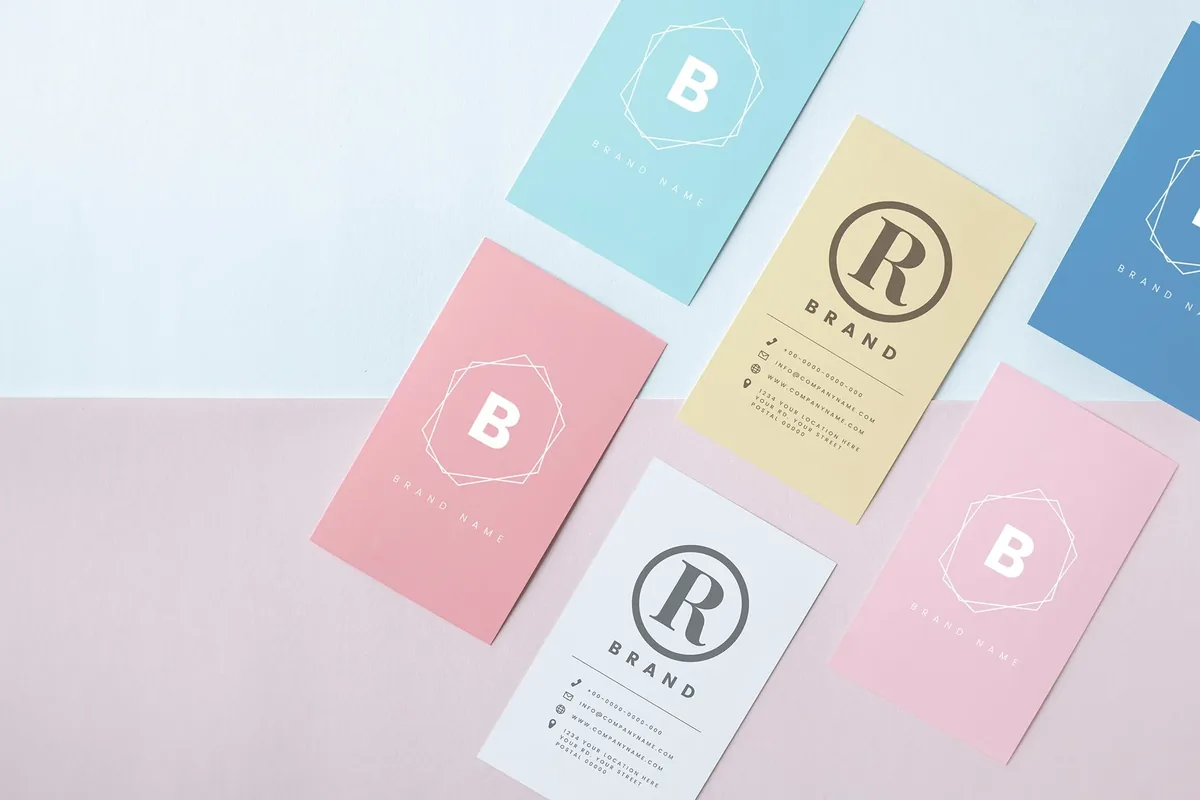

Printing something like this?
Thirty-six years of sourcing recycled stock, put to work on your job. Tell us what you need and Greg will come back with stock options, a price and a date.