Wedding program size: standard sizes and formats
The most common wedding program size is a 5 x 7 inch card. This guide covers flat, folded, tea-length and booklet programs, what to include, quantities and paper.
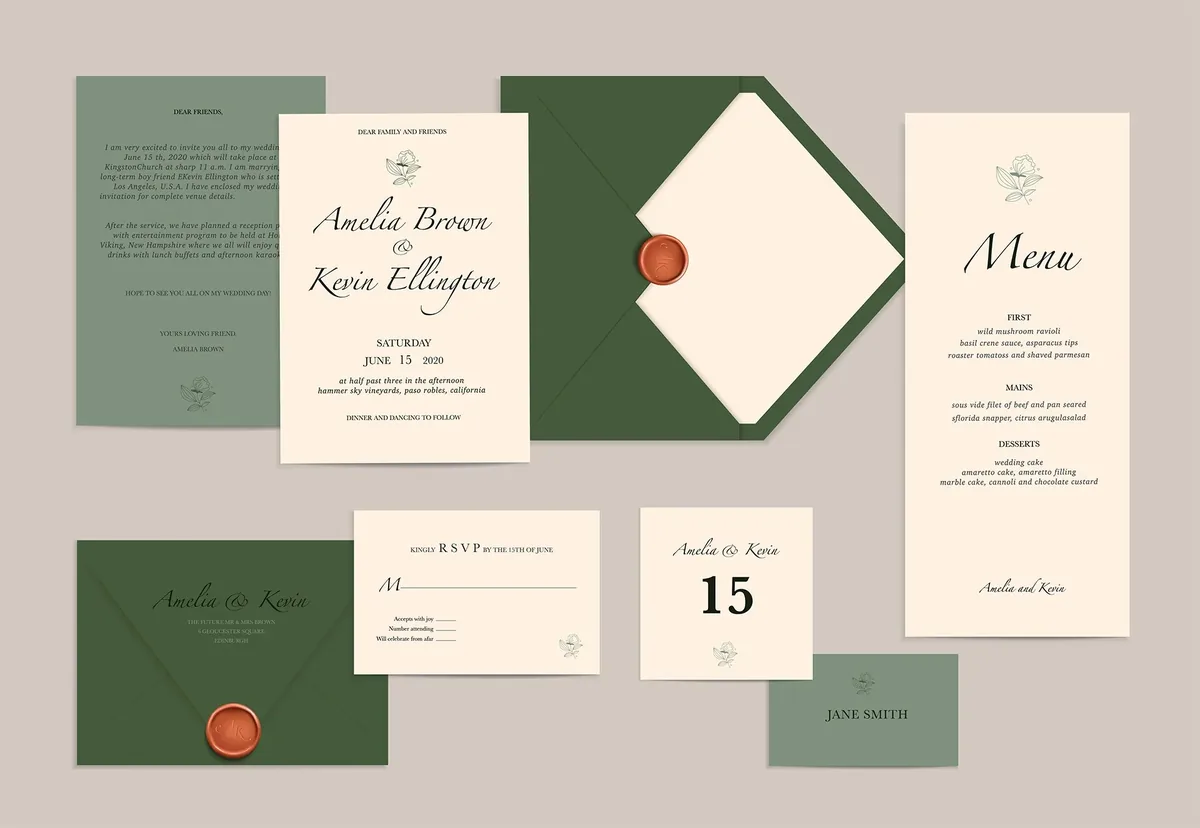
The most common wedding program size is 5 x 7 inches, printed as a flat card on one or both sides. Folded programs are usually 5.5 x 8.5 inches when folded, printed on a letter-size sheet. Tea-length programs, 4 x 9 inches, are a popular tall, narrow option. This guide covers wedding program sizes and formats, what to include, how many to print and which paper to use.
Common wedding program sizes
- 5 x 7 in flat card: the most popular size. It matches the size of most invitations and has room for the order of ceremony and the wedding party.
- 4 x 9 in tea-length card: a tall, slim card that fits neatly on a chair or in a basket. Some designs use 4 x 9.25 in.
- 5.5 x 8.5 in folded: an 8.5 x 11 in sheet folded in half, which gives four panels for longer ceremonies, readings and thank you notes.
- 8.5 x 11 in trifold: a letter-size sheet folded in thirds into a 3.67 x 8.5 in panel.
- Booklet, 5.5 x 8.5 in: several folded sheets stapled through the spine, for ceremonies with hymns, readings or translations.
- Fan program: a 5 x 7 in or round card attached to a wooden handle, popular for outdoor and summer weddings.
What to include
- Your names, the date and the venue
- The order of ceremony, such as the processional, readings, vows and recessional
- The wedding party and officiant
- Readings, songs or a short welcome note
- A remembrance of loved ones, if you want one
- Reception details or a thank you to guests
A flat 5 x 7 in card holds the essentials. If you want readings, song lyrics or a full welcome letter, choose a folded program or a booklet.
How many programs to print
Many couples print one program for each guest. Others print one for every couple or household to save paper, since people sitting together often share. Either way, add 10 to 15 extras for guests who arrive without one and for keepsakes.
Paper for wedding programs
- Flat cards and fan programs: 100 lb to 130 lb cover, so the card stays stiff in the hand.
- Folded programs and booklets: 80 lb to 100 lb text, or a light cover stock, so the program folds cleanly.
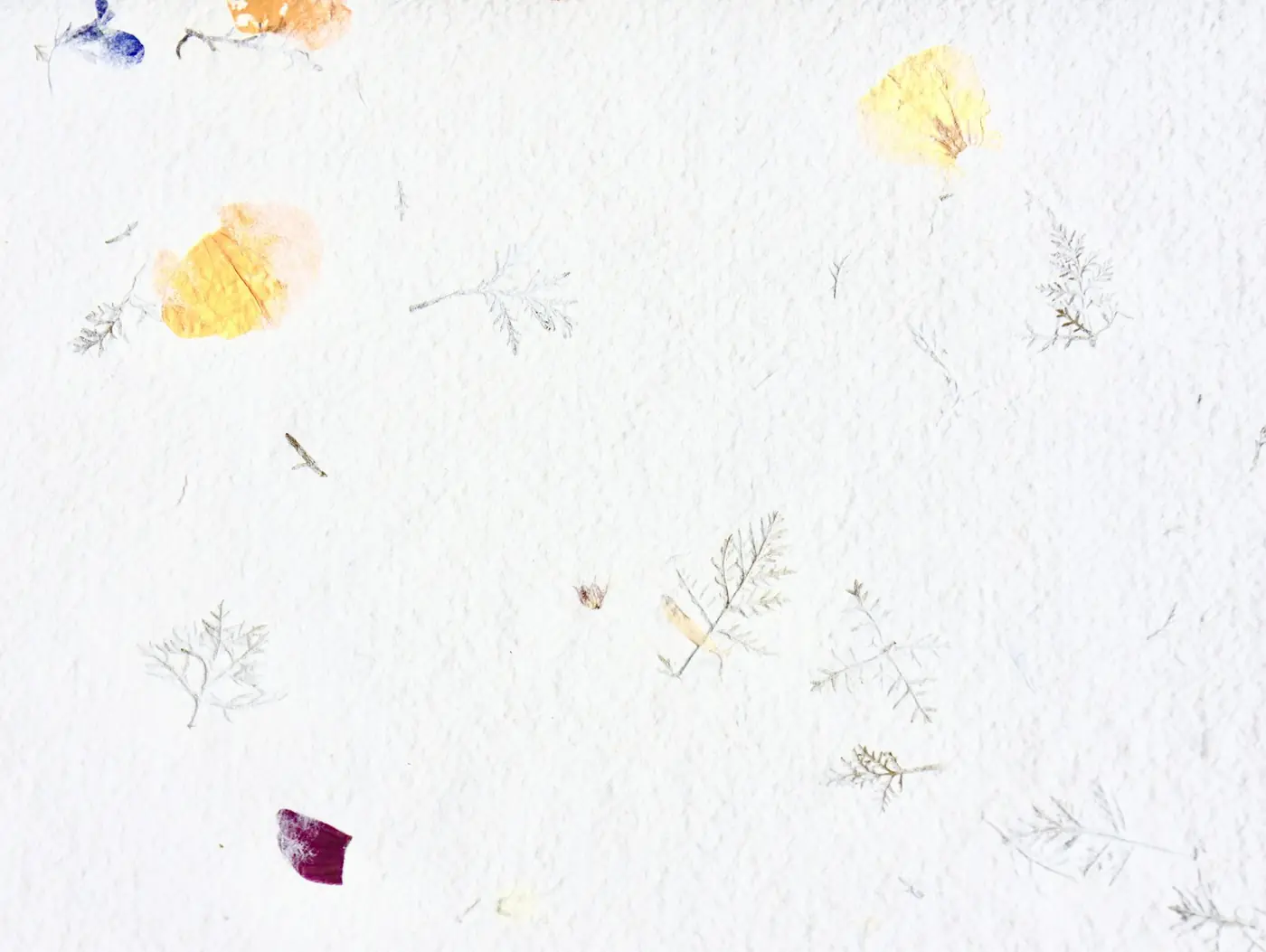
- Matching the invitation: many couples print programs on the same paper as their invitations. Cotton, felt and recycled stocks all work, and seed paper suits simple designs.
Our paper weight guide explains text and cover weights.
Setting up the file
- Set the document to the finished size, such as 5 x 7 in, and add 0.125 in of bleed if color runs to the edge.
- Keep text at least 0.25 in inside the trim, and more near the fold on folded programs.
- For a booklet, plan the page count in multiples of four. Our booklet size guide explains why.
- Use the same fonts and colors as your invitation suite so the pieces match.
For the rest of your stationery, see our wedding invitations, our guide to invitation and card sizes and our guide to save the date sizes.
Common questions
What size is a wedding program?
The most common size is a 5 x 7 inch flat card. Folded programs are usually 5.5 x 8.5 inches, and tea-length programs are 4 x 9 inches.
How many wedding programs do I need?
Print one per guest, or one per couple or household, and add 10 to 15 extras.
What paper is best for wedding programs?
100 lb to 130 lb cover for flat cards, or 80 lb to 100 lb text for folded programs and booklets.
What should a wedding program include?
Your names, the date and venue, the order of ceremony and the wedding party. Readings, songs and a thank you note are optional.
Products mentioned in this piece
Everything below prints on recycled, FSC-certified stock with soy-based inks. Ask for a quote on any of it.

Printing something like this?
Thirty-six years of sourcing recycled stock, put to work on your job. Tell us what you need and Greg will come back with stock options, a price and a date.