Coated vs uncoated paper: differences and when to use each
Coated paper has a smooth surface layer for sharp, bright printing. Uncoated paper absorbs ink and is easy to write on. This guide compares the two and suggests which to use for each job.
Coated paper has a thin surface layer, usually clay or calcium carbonate, that makes it smooth and keeps ink on top of the sheet. Uncoated paper has no surface layer, so ink soaks into the fibers. Coated paper prints sharper photographs and brighter color. Uncoated paper has a natural feel and is easy to write on. This guide explains the differences and which paper suits each kind of print job.
What coated paper is
During manufacturing, a coating is applied to one or both sides of the sheet and then polished to the finish the mill wants. Because the coating fills the gaps between the paper fibers, ink sits on the surface instead of spreading into the sheet. Dots of ink stay small and crisp, so photographs look detailed and colors look saturated.
Coated paper comes in three main finishes:
- Gloss: the shiniest finish, with the most vivid color. It can show glare and fingerprints.
- Silk or satin: a soft sheen between gloss and matte. A popular choice for brochures and catalogs.
- Matte or dull: a smooth, low-glare surface that keeps text easy to read and still prints photographs well.
Paper coated on one side only is called C1S, and paper coated on both sides is called C2S. C1S is used for labels, packaging and postcards with a plain writing side. C2S is used for brochures, magazines and catalogs.
What uncoated paper is
Uncoated paper is the paper used in office printers, notebooks, letterhead and most books. Ink is absorbed into the fibers, which makes colors look a little softer and darker and gives images a warmer, less glossy look. The surface can be smooth, vellum, felt, linen or laid, and it takes pen, pencil and laser printing without smudging.
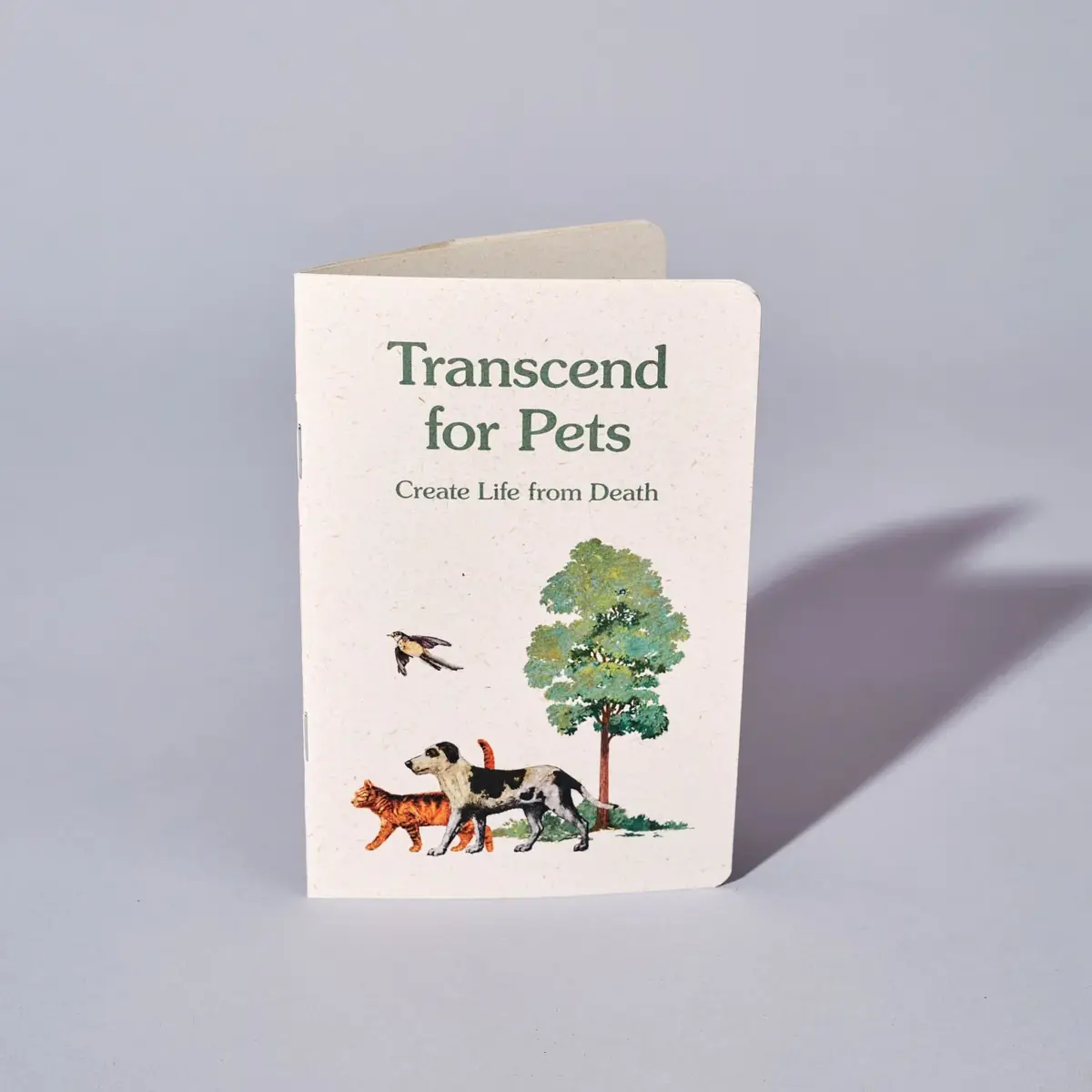
Many recycled stocks are uncoated, as are the kraft and cotton papers we print on. Their natural texture is part of their appeal for stationery, invitations and business cards.
Coated vs uncoated at a glance
- Photographs: sharper and more detailed on coated paper.
- Color: brighter on coated paper; softer and more muted on uncoated paper.
- Writing: uncoated paper takes any pen. Gloss coated paper can smear ballpoint and gel ink.
- Office printing: uncoated paper runs through laser and inkjet printers. Some coated stocks do not.
- Feel: coated paper feels smooth and slick; uncoated paper feels natural and slightly textured.
- Glare: uncoated and matte papers have little or no glare.
Which paper to use for each job
- Coated: catalogs, magazines, photo brochures, product sheets, postcards with photographs and posters.
- Uncoated: letterhead, envelopes, notepads, notebooks, forms, books, invitations and any piece people will write on.
- Either: business cards, flyers and brochures. Choose coated if the design is mostly photographs, and uncoated if it is mostly text or should feel natural.
Our guides to matte vs glossy business cards and types of paper for printing go into more detail.
Color matching on coated and uncoated paper
The same ink looks different on the two papers, so designers work from separate color references. Pantone guides list each color with a C suffix for coated paper and a U suffix for uncoated paper, and the uncoated version usually looks lighter and less saturated. If an exact brand color matters, it helps to see the color printed on the paper you plan to use before a full run. Our guide to Pantone color matching explains the process.
Are coated papers recyclable?
Yes, in most cases. Clay and calcium carbonate coatings are removed during the recycling process, and coated paper is accepted in most paper recycling programs. Plastic lamination, heavy foil and glitter are different, because they make a piece harder to recycle. Recycled paper is available in both coated and uncoated finishes, so choosing one does not rule out recycled content. Our paper stocks page lists the recycled papers we print on most.
Common questions
What is the difference between coated and uncoated paper?
Coated paper has a smooth surface layer that keeps ink on top of the sheet for sharp, bright images. Uncoated paper absorbs ink, feels more natural and is easy to write on.
Is matte paper coated or uncoated?
Matte paper is usually coated with a low-sheen finish. It is smoother than uncoated paper but has much less glare than gloss.
Can you write on coated paper?
Pencil and some pens work on matte coated paper, but gloss coated paper can smear ballpoint and gel ink. Uncoated paper is the better choice for anything people will write on.
Which is better for printing photos, coated or uncoated paper?
Coated paper. The coating keeps ink dots small and sharp, so photographs look more detailed and colors look brighter.
Products mentioned in this piece
Everything below prints on recycled, FSC-certified stock with soy-based inks. Ask for a quote on any of it.
Printing something like this?
Thirty-six years of sourcing recycled stock, put to work on your job. Tell us what you need and Greg will come back with stock options, a price and a date.