Types of paper for printing: a practical guide
Coated and uncoated, text and cover, recycled, cotton, kraft, seed and stone paper: what each type of printing paper suits and which is most sustainable.
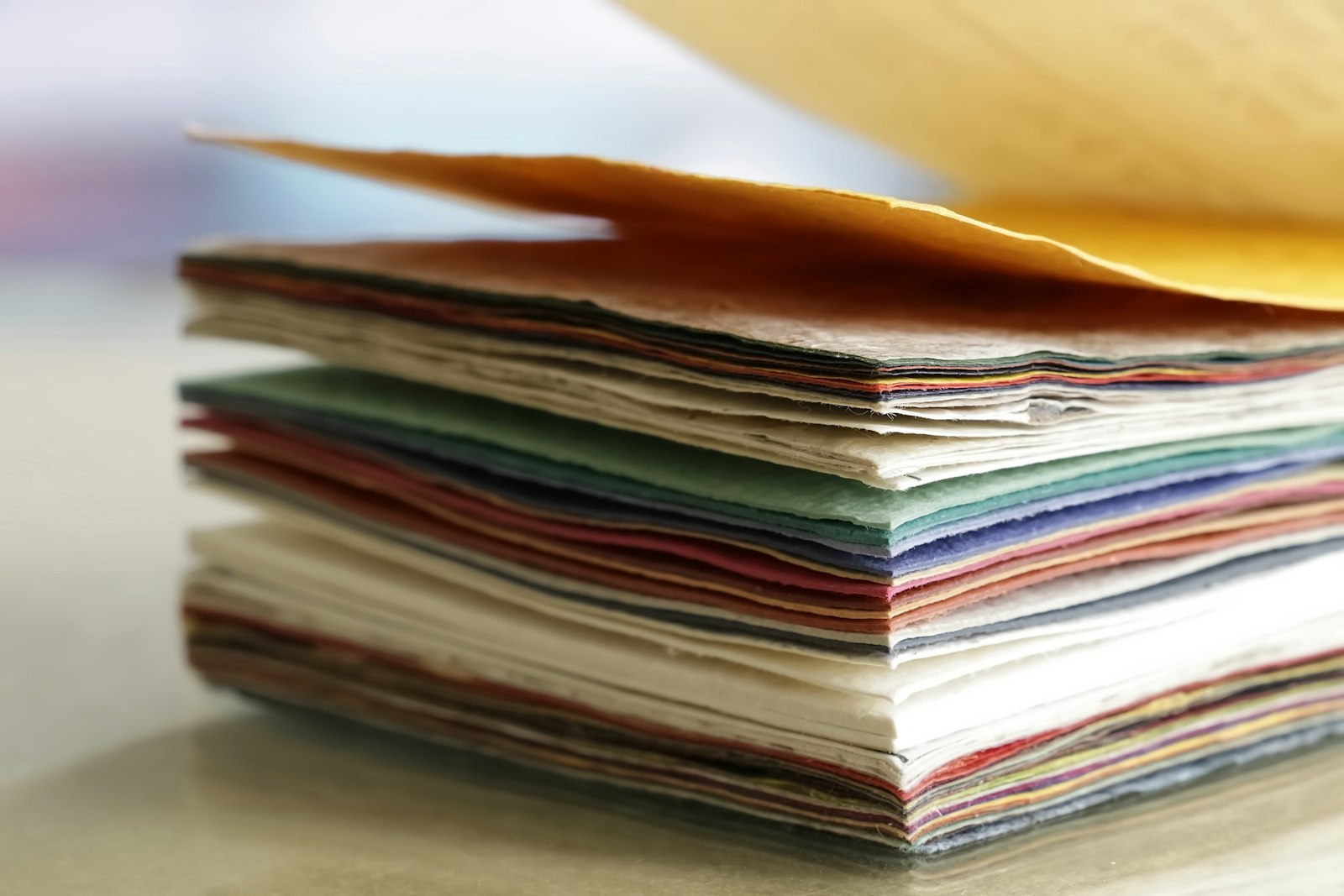
Choosing paper comes down to four questions: is the sheet coated or uncoated, is it a text or cover weight, what is it made of, and how will it be used. This guide walks through the main types of paper used in commercial printing, what each one suits and which choices are the most sustainable.
Coated and uncoated paper
Uncoated paper has a natural, slightly porous surface that you can write on. It suits letterhead, business cards, stationery, books and anything with a handmade or natural look. Colors print a little softer because the ink soaks into the fibers.
Coated paper has a clay coating that keeps ink on the surface, so photographs and color print sharp and bright. It comes in gloss, silk, matte and velvet finishes. Coated paper suits brochures, catalogs, magazines and photo books. Most coated paper is still recyclable, though plastic laminates and heavy varnishes can make it harder to recycle.
Text, cover and bond
Text paper is the lighter sheet used for flyers, brochures and book pages. Cover paper, often called cardstock, is the heavier sheet used for business cards, postcards and covers. Bond is office and letterhead paper. Our paper weight guide explains the numbers and converts pounds, gsm and points.
Recycled paper
Recycled paper is made partly or fully from recovered paper fiber. The figure that matters is the post-consumer waste (PCW) content: fiber from paper people have used and recycled, not offcuts from a mill. A sheet labeled "recycled" may contain only a small share of PCW, so ask for the percentage. Our main stocks include Sustana EnviroPrint and Monadnock Astrolite PC 100, both 100% PCW, plus Neenah Environment and Mohawk Loop, which are FSC certified with post-consumer content that varies by grade. Read more in what PCW means.
FSC certified paper
FSC certification shows that the fiber in a sheet comes from responsibly managed forests, recycled material or a controlled mix. It applies to virgin and recycled papers. FSC on its own does not tell you how much recycled content a sheet has, so pair it with the PCW figure. See what FSC certified means.
Cotton paper
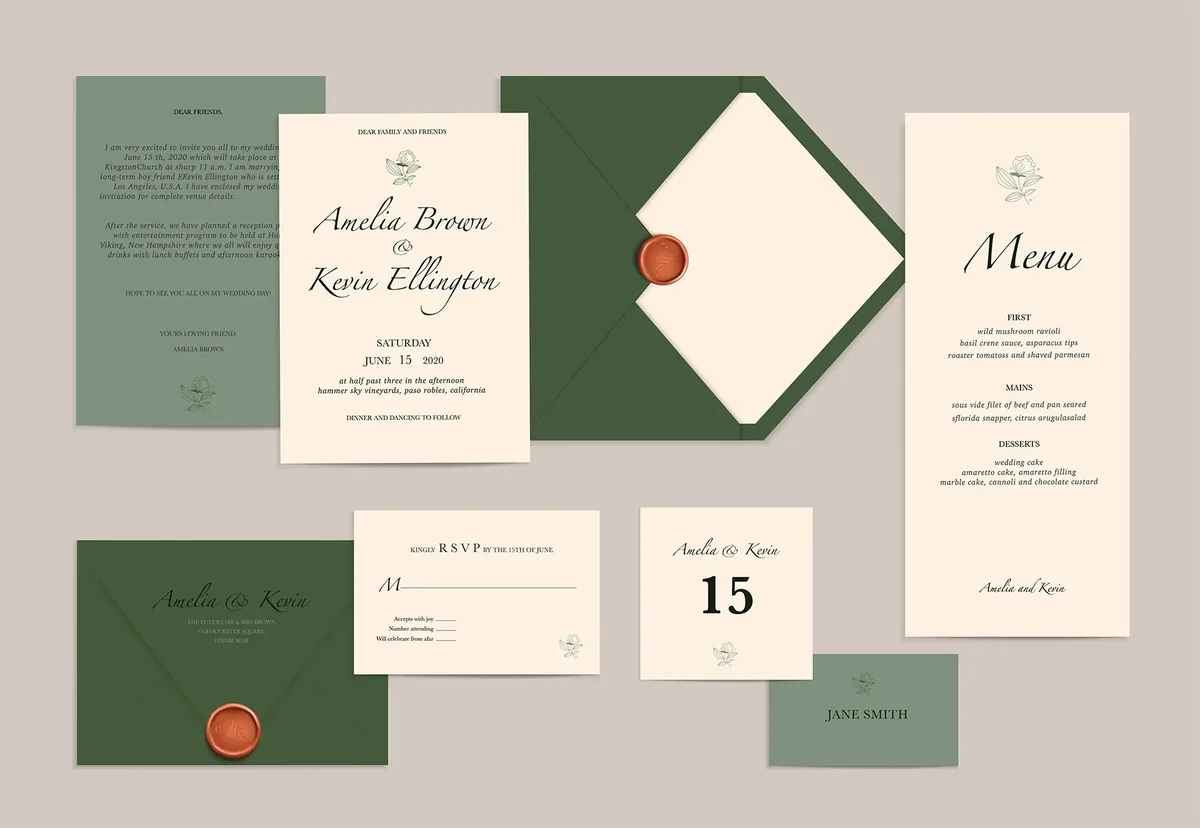
Cotton paper is made from cotton fiber, usually recovered cotton linters left over from textile production, instead of wood pulp. It is soft, strong and takes letterpress, foil stamping and blind debossing beautifully, which is why it is popular for wedding invitations and fine stationery. It costs more than wood-based paper. See eco friendly wedding invitations.
Kraft paper
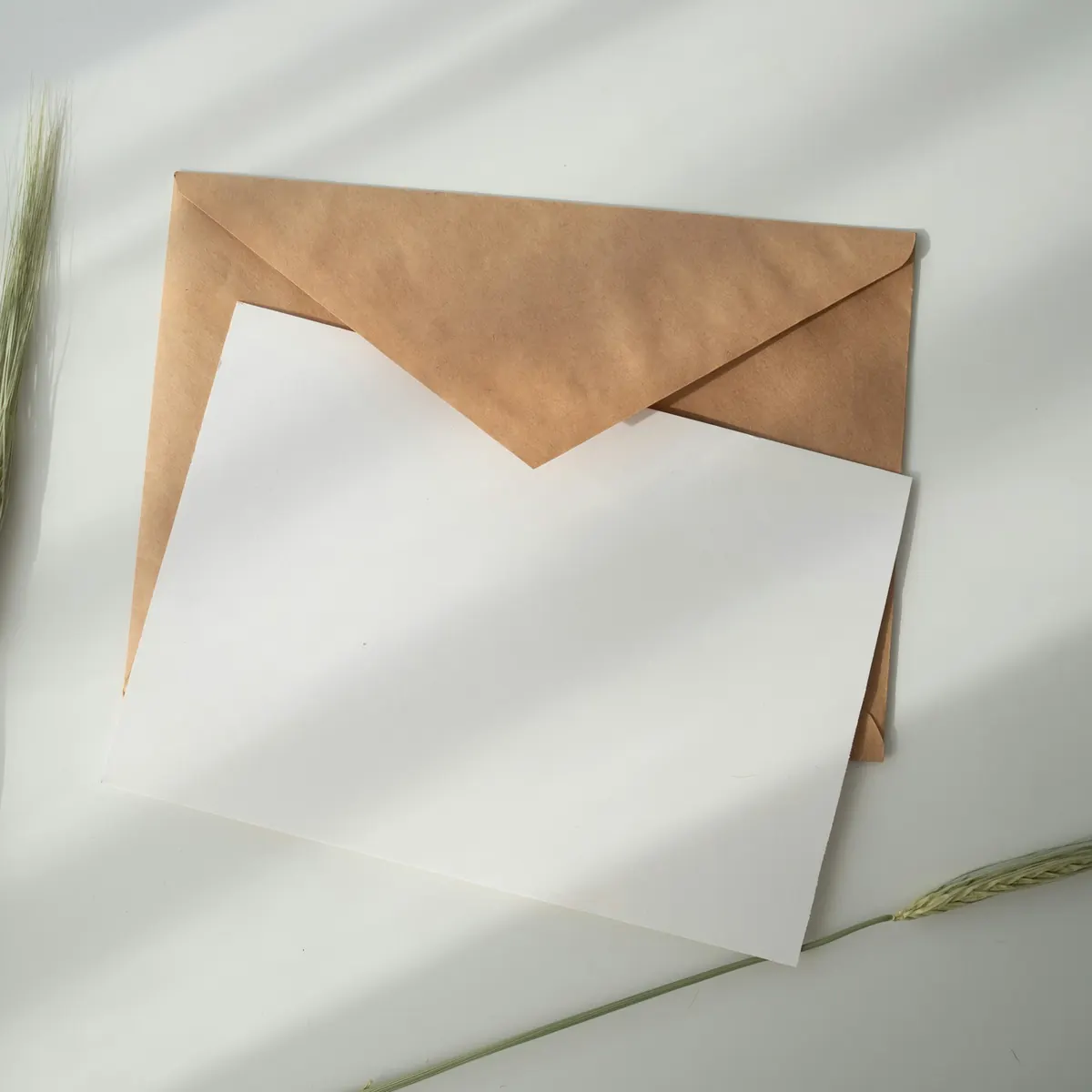
Kraft paper is the brown, unbleached sheet used for envelopes, mailers, tags and packaging. Because it skips most bleaching, it has a natural look and is strong for its weight. Recycled kraft is widely available. White ink and dark single colors print best on kraft. See recycled kraft shipping mailers and recycled envelopes.
Seed paper
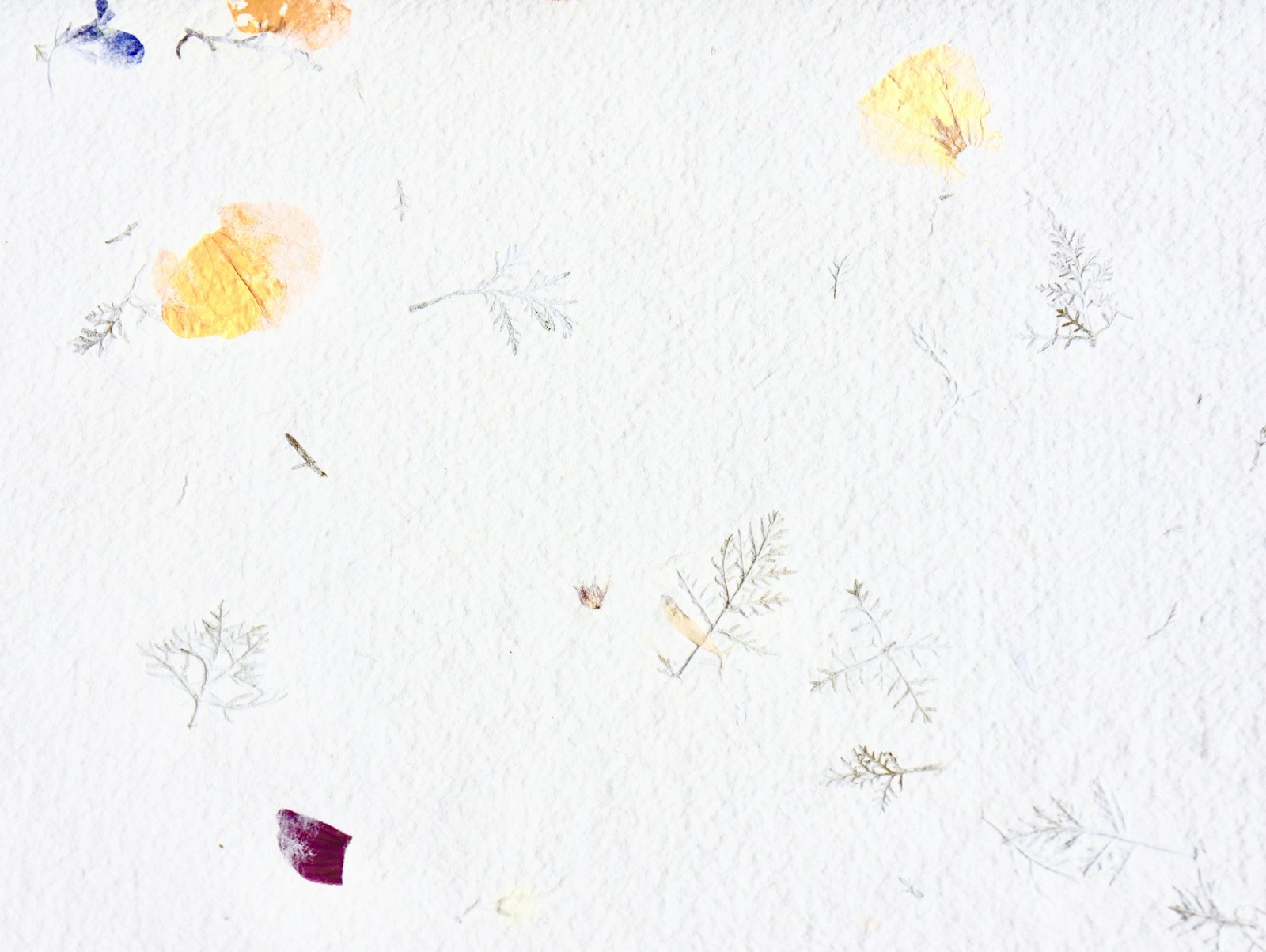
Seed paper is a soft, textured handmade sheet of recycled pulp with seeds pressed into it. After use, it can be planted. It suits invitations, cards, tags and giveaways with bold, simple designs. See seed paper printing.
Stone paper
Stone paper, also sold as rock paper or TerraSkin, is made from calcium carbonate bound with a resin, with no wood fiber. It is smooth, tear resistant and water resistant, which makes it useful for labels, menus and anything that gets wet. It does not go in paper recycling. See our guide to stone paper and stone paper stickers.
Tree-free papers
Tree-free papers are made from fibers such as hemp, bamboo, cotton or sugarcane bagasse, the fiber left after sugar is pressed out of the cane. They can be good choices, but availability, cost and printing quality vary by sheet. For most jobs, 100% PCW recycled paper remains the simplest low impact choice.
Specialty finishes and textures
Many recycled and cotton papers come in textured finishes: felt, linen, laid, vellum and smooth. Textures add character to stationery and invitations. Deckle edges, duplexed sheets and colored stocks are also available on many recycled lines.
Which paper is most sustainable?
- 100% post-consumer recycled paper keeps fiber in use and avoids cutting new trees.
- Processed chlorine-free (PCF) paper avoids chlorine compounds in recycling.
- Uncoated paper without plastic laminates is the easiest to recycle again.
- Choosing the right weight and quantity avoids waste, so do not print more, or heavier, than the job needs.
For more on how these choices fit together, read our green printing guide, or ask for samples on the paper samples page.
Common questions
What is the best paper for printing brochures?
A coated or smooth uncoated text sheet, usually 80 lb to 100 lb text. Coated paper gives sharper photos, uncoated gives a natural feel.
What is the difference between text and cover paper?
Text paper is the lighter, flexible sheet used for pages and flyers. Cover paper is the heavier, stiffer sheet used for cards and covers.
Is recycled paper good for printing?
Yes. 100% post-consumer recycled papers from mills such as Mohawk, Neenah, Monadnock and Sustana print sharp type and strong color, on both coated and uncoated finishes.
What paper is used for business cards?
Usually a cover stock of 110 lb to 130 lb, a 16pt card, or a heavy 32pt duplex card. Cotton and kraft are popular alternatives.
Products mentioned in this piece
Everything below prints on recycled, FSC-certified stock with soy-based inks. Ask for a quote on any of it.
Printing something like this?
Thirty-six years of sourcing recycled stock, put to work on your job. Tell us what you need and Greg will come back with stock options, a price and a date.