Stone paper explained: how it prints and where it fits
How stone paper is made, why it suits labels, stickers, menus and outdoor pieces, and where recycled paper is still the better choice.
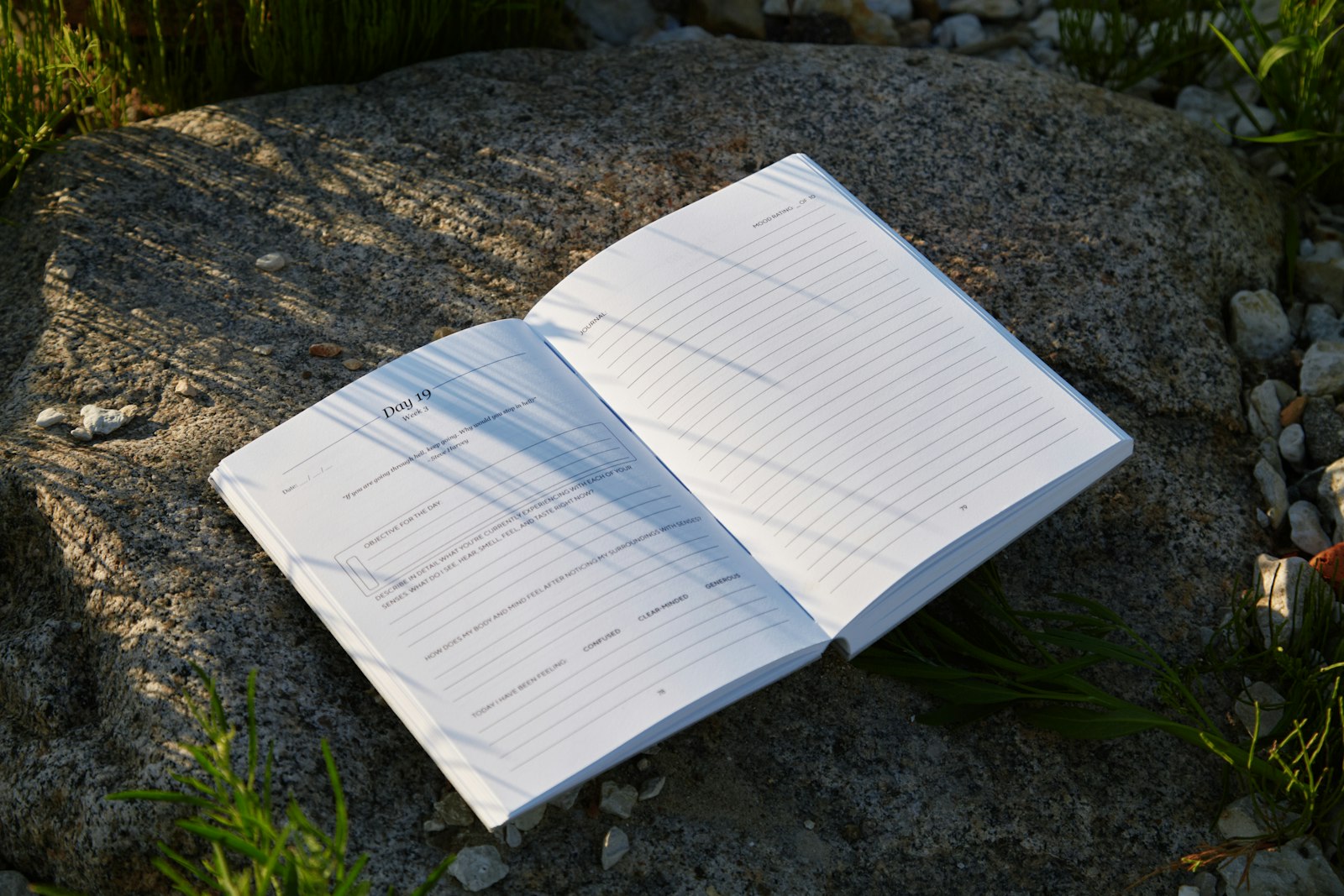
Stone paper is a printing material made mostly from calcium carbonate, a mineral powder, bound together with a small amount of resin. It contains no tree pulp. TerraSkin is one well known brand. The sheet looks and feels similar to a smooth, heavy paper, but it behaves differently in use, on press and at the end of its life.
We are Eco Friendly Printer, and we have printed on recycled and alternative stocks since Greg Barber started the company in 1990.
How stone paper is made
Stone paper starts with calcium carbonate, a common mineral found in limestone and marble. The mineral is ground into a fine powder and combined with a small amount of resin, which binds the powder into a flexible sheet. Because the process uses no wood fiber, no trees are harvested to make it. The manufacturing process also uses no water and no bleach, which sets it apart from conventional papermaking.
The finished sheet is smooth and bright, and it is denser than paper of a similar thickness.
What stone paper does well
The main advantages of stone paper are practical. It is waterproof, so it does not soften, wrinkle or fall apart when it gets wet. It is also tear resistant, which means it holds up to handling far better than an uncoated paper sheet.
- Labels. Stone paper works well for product labels on bottles, jars and containers that may be chilled, washed or handled with wet hands.
- Stickers. It suits stickers that need to hold up to water, condensation or time outdoors.
- Menus. Restaurant menus printed on stone paper can be wiped down and handled every day without tearing.
- Outdoor pieces. Garden markers, trail maps, event signs and tags that are exposed to rain are good candidates.
For these uses, stone paper can replace a paper sheet that would otherwise need a plastic laminate to survive, and avoiding the laminate is one of the stronger arguments for the material. If you are planning labels or stickers, our labels and stickers pages list the options we offer, and our guide to eco friendly sticker printing covers the wider choice of materials.
Where stone paper has limits
Stone paper also has limits that are worth knowing before you choose it.
- It is heavier than paper. The mineral content makes stone paper denser than paper of the same thickness, which adds weight to large print runs and to anything you mail or ship.
- It is not compostable like paper. The resin binder means stone paper does not break down in a compost pile the way an uncoated paper sheet does.
- It is not accepted in paper recycling in most programs. Because it contains no wood fiber, it cannot be pulped with paper, and most curbside programs ask people to keep it out of the paper bin.
- It can be sensitive to heat. High temperatures can warp or damage the sheet, which can make it unsuitable for some laser printers and heat based finishing, and it should not be stored in hot places.
- Ink drying needs care. The surface does not absorb ink the way paper fiber does, so inks take longer to set and need the right press settings to avoid smudging.
These limits mean stone paper suits some jobs better than others. For a brochure, a business card or a letter that will be read and then recycled, a 100 percent recycled paper is usually the better environmental choice, because it goes back into the paper stream after use.
How stone paper prints
Stone paper has a smooth, bright surface that reproduces color, text and fine detail well. Because the ink sits on the surface rather than soaking into fiber, colors can look crisp and vivid. The trade off is drying time. Printed pieces need careful handling until the ink has set, and the job has to be set up with inks and press settings suited to a non-absorbent sheet.
Choosing between stone paper and recycled paper
The simplest way to decide is to think about how the finished piece will be used and how it will be disposed of. If it needs to survive water, grease, handling or weather, stone paper is worth considering, especially in place of a laminated paper sheet. If it will be read, kept for a short time and then placed in a recycling bin, recycled paper is usually the better fit.
Common questions about stone paper
Is stone paper better for the environment than recycled paper?
It depends on the use. Stone paper avoids tree pulp, water and bleach in manufacture, and it can replace a laminated sheet for wet or outdoor use. Recycled paper, however, can go back into the paper recycling stream and can be composted, which stone paper cannot. For most everyday printing, recycled paper is the stronger choice.
Can stone paper be recycled?
It is not accepted in most paper recycling programs. Because it is made from mineral powder and resin rather than wood fiber, it cannot be pulped with paper. Check with your local program before placing it in any recycling bin.
Tell us what you are making and where it will be used, and we will suggest the material that suits the job. Start your order to request a quote.
Products mentioned in this piece
Everything below prints on recycled, FSC-certified stock with soy-based inks. Ask for a quote on any of it.

Printing something like this?
Thirty-six years of sourcing recycled stock, put to work on your job. Tell us what you need and Greg will come back with stock options, a price and a date.