Post-consumer recycled paper: what PCW means
A plain guide to post-consumer recycled paper: what PCW means, how to read the percentages on a paper label and how to ask for it on a quote.
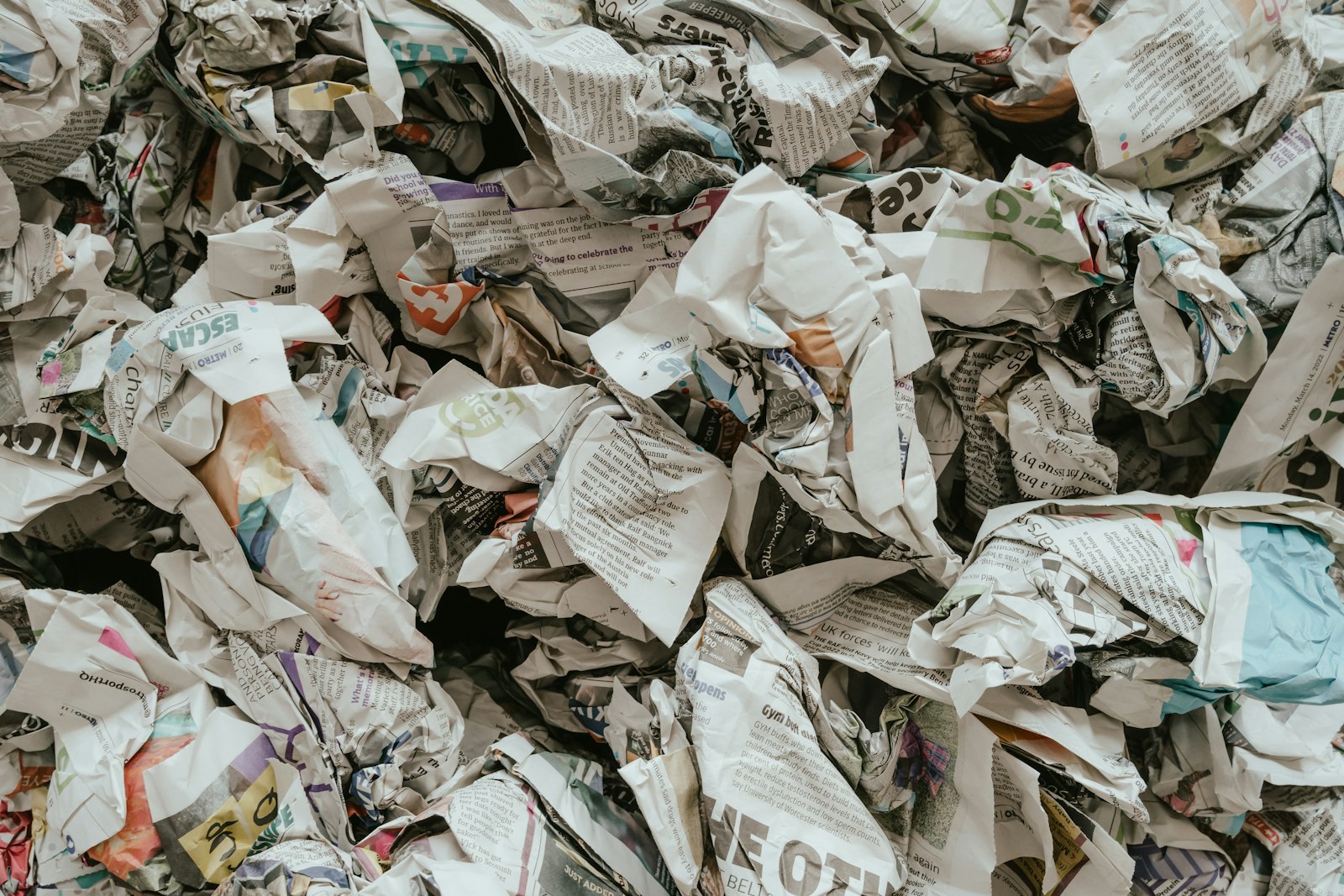
PCW stands for post-consumer waste. On a paper specification, the PCW figure tells you how much of the fiber in the sheet came from paper that people used and then placed in a recycling bin. It is the most useful single number to check when you compare recycled stocks.
We are Eco Friendly Printer, and we have printed on recycled paper since Greg Barber started the company in 1990. This guide explains what PCW means and how to ask for it on a quote.
Post-consumer and pre-consumer content
Recycled fiber comes from two broad sources. Pre-consumer content is material recovered before it reached an end user. It includes trimmings and offcuts from paper mills and converters, along with printed pieces that were never sold or distributed. Much of it would have been reused inside the industry in any case.
Post-consumer content is paper that has completed its intended use. Office paper, magazines, mail and cardboard collected from homes and businesses all fall into this category. Using it in new paper keeps that material out of landfills and reduces the amount of new wood fiber a mill needs. For that reason, the post-consumer share is a better measure of environmental benefit than the general word recycled.
How to read PCW percentages
The percentage on a paper label refers to the share of the total fiber that is post-consumer. The rest of the sheet can be pre-consumer recycled fiber, new fiber or a mix of both. The figures you will see most often are listed below.
- 30% PCW. Thirty percent of the fiber is post-consumer. This is a common figure for office paper and many standard printing papers.
- 50% PCW. Half of the fiber is post-consumer. This level appears on a range of text and cover stocks.
- 100% PCW. All of the fiber comes from post-consumer waste. This is the highest level available, and it is offered on a smaller selection of stocks.
A paper described as 100 percent recycled may contain little post-consumer fiber if most of its content came from mill scrap. When a label gives a total recycled figure and a separate PCW figure, the PCW figure is the one to compare.
Why PCW matters
Paper is usually the largest material input in a print job, so the fiber source has a large effect on the footprint of the finished piece. Post-consumer fiber gives used paper a second life and reduces demand for virgin pulp.
PCW is one of several details worth checking. FSC certification shows that the fiber is tracked through a chain of custody. Soy-based inks reduce the use of petroleum in the printing itself. Together these choices make up what most people mean by green printing.
Processed chlorine free paper
Recycled pulp is often brightened before it is made into new paper. Processed chlorine free, usually shown as PCF, means the recycled fiber was brightened with oxygen or hydrogen peroxide rather than chlorine compounds. Chlorine bleaching produces byproducts that can end up in water, so PCF processing is a meaningful addition to a high PCW figure.
Everything we print on is 100 percent recycled, FSC certified and bleached without chlorine.
How PCW paper prints
High PCW papers print well for most commercial work. Text, logos and line art reproduce cleanly, and photographs print with good detail on smooth recycled stocks. Uncoated recycled sheets tend to have a slightly warmer white than bright virgin paper, so colors look a little softer and whites can read as cream rather than blue white. Many clients prefer this look, especially for stationery and business cards.
If your brand depends on an exact white or a precise color match, look at the stock before you approve a full run. For more on how recycled stock behaves on press, read our guide to recycled paper printing.
How to specify PCW on a quote
When you request a quote, state the fiber content you want along with the size, quantity and finish. A clear request might say that you would like a 100 percent recycled stock with the highest post-consumer content available, FSC certified and processed chlorine free. If you have a minimum PCW figure in mind, such as 30 or 50 percent, include it in the request.
It also helps to ask which mill makes the paper, so you can check the content on its specification sheet. Ask about paper samples when you request a quote, and see our paper samples page for details on the stocks we use.
Common questions about PCW paper
Is 100 percent recycled the same as 100 percent PCW?
No. A 100 percent recycled paper is made entirely from recovered fiber, but that fiber can include pre-consumer material such as mill trimmings. A 100 percent PCW paper is made entirely from paper that was used by consumers and then recycled.
Does higher PCW content affect print quality?
For most work, the difference is small. High PCW sheets can be slightly warmer in shade and a little less bright than virgin paper, which softens images slightly. Text and graphics print cleanly, and seeing a sample before you order is the best way to judge the result.
Tell us what you are printing and we will quote it on a recycled stock that fits the job. Start your order, and mention any PCW requirement in your request.
Products mentioned in this piece
Everything below prints on recycled, FSC-certified stock with soy-based inks. Ask for a quote on any of it.
Printing something like this?
Thirty-six years of sourcing recycled stock, put to work on your job. Tell us what you need and Greg will come back with stock options, a price and a date.