Paperback vs hardcover: differences in binding, cost and durability
Paperbacks have a flexible glued cover, and hardcovers have rigid boards. Compare binding, cost, durability and sizes for your next book.
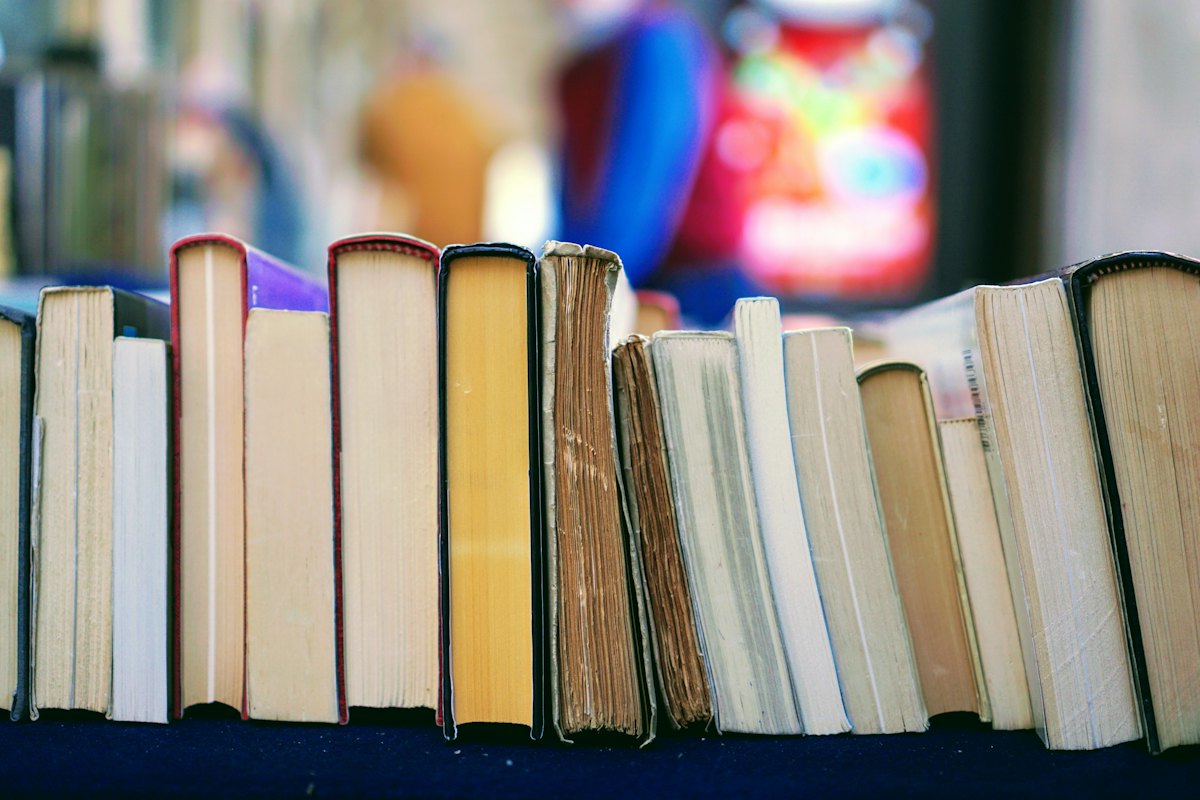
The main difference between a paperback and a hardcover is the cover and binding. A paperback has a flexible cover made from heavy paper, and the pages are usually glued to the spine. A hardcover, also called a case-bound book, has rigid boards wrapped in cloth or printed paper, which makes it more durable and more expensive to produce.
To price a print run in either binding, see our book printing page.
How a paperback is made
Most paperbacks are perfect bound. The interior pages are gathered in order, the spine edge is ground and roughened, and the cover is wrapped around the book block and glued to the spine. The book is then trimmed on three sides so the cover and pages are flush.
- Cover: a heavy cover stock, often laminated to resist scuffs.
- Binding: a glued spine, usually with PUR or EVA adhesive.
- Common sizes: trade paperbacks are often 5.5 x 8.5 in or 6 x 9 in, and mass-market paperbacks are about 4.25 x 7 in.
- Best for: novels, workbooks, manuals, guides and most short-run titles.
How a hardcover is made
A hardcover starts with a sewn or glued book block. Endpapers are attached to the first and last pages, and the block is cased in, which means it is glued into a case made of binder's board covered with cloth, paper or a printed wrap. The boards extend slightly past the pages on three sides to protect the edges.
- Case options: cloth with foil stamping, a printed case wrap, or a plain case with a printed dust jacket.
- Spine: square or rounded, with a hinge groove near the spine so the cover opens easily.
- Common sizes: 6 x 9 in and 8.5 x 11 in are common, and coffee table books are often larger.
- Best for: keepsakes, gift books, library copies, photo books and reference books.
Paperback vs hardcover compared
- Durability: hardcovers hold up to years of handling and shelving better than paperbacks.
- Cost: hardcovers cost more per copy because of the boards, extra materials and additional binding steps.
- Weight: paperbacks are lighter, which lowers shipping costs.
- Opening: sewn hardcovers usually open flatter than glued paperbacks.
- Production: hardcover binding involves more steps, so it usually takes longer to produce.
- Perceived value: readers often see a hardcover as a premium edition and expect to pay more for it.
Which binding should you choose?
Many publishers release a hardcover edition first and a paperback edition later, but self-publishers and organizations can choose whichever binding fits the book. Choose a paperback when you need an affordable copy for wide distribution, such as a novel, a training manual or a book sold at events. Choose a hardcover when the book is meant to last or to be given as a gift, such as a family history, a company anniversary book or a photo collection.
Page count also matters. Perfect binding needs enough pages to form a spine, so very short books are often better as saddle-stitched booklets. Our guide to saddle stitch vs perfect binding explains where that line usually falls.
Paper choices for both bindings
The interior paper affects the look, feel and weight of the finished book in either binding. Uncoated text paper is standard for novels and text-heavy books, while coated paper suits books with many photographs. Recycled text papers work well for both paperback and hardcover interiors and reduce the demand for virgin fiber. Our guide to sustainable book printing covers paper, ink and binding choices, and our paper weight guide explains text and cover weights.
Common questions
What is the difference between paperback and hardcover?
A paperback has a flexible paper cover glued to the spine, while a hardcover has rigid boards covered in cloth or paper. Hardcovers are more durable and cost more to produce.
Is a hardcover better than a paperback?
A hardcover is more durable and feels more substantial, but a paperback is lighter, more affordable and better suited to wide distribution.
Why are hardcover books more expensive?
They need boards, endpapers, covering material and extra binding steps, which add material and labor to every copy.
What is a case-bound book?
Case-bound is the printing term for a hardcover. The book block is glued into a rigid case made of board and covering material.
Products mentioned in this piece
Everything below prints on recycled, FSC-certified stock with soy-based inks. Ask for a quote on any of it.


Printing something like this?
Thirty-six years of sourcing recycled stock, put to work on your job. Tell us what you need and Greg will come back with stock options, a price and a date.