What makes a printing company eco friendly
A printing company is eco friendly when it can name the paper, the ink, the bleaching process and the press behind every job. Here are the five things to check, and our own answers.

A printing company is eco friendly when it can name the paper, the ink, the bleaching process and the press used for every job it sells, and when each of those answers holds up on its own. Marketing language without those details does not tell you much. Below is what to check, in order of importance, along with our own answers.
We are Eco Friendly Printer. Greg Barber started the company in Northport, New York in 1990 and it is still family run. The business is now based in Ponte Vedra Beach, Florida. We quote and ship nationwide.
Sustainable printing practices to check
- Paper. Find out how much post-consumer recycled content is in the stock and whether it is certified.
- Ink. Find out whether the inks are petroleum based or vegetable and soy based.
- Bleaching and press chemistry. Ask whether chlorine was used to whiten the pulp and what happens to the fluids and plates after the run.
- Run length. Confirm that the printer can produce the quantity you actually need, rather than requiring a large order to reach a price.
- What the claim is based on. Check whether the sustainability claim is about materials and process, or about an offset purchase made after the fact.
A printer who can answer all five with specifics is doing the work. General descriptions without details are a reason to ask more questions.
Paper makes up most of the footprint
Paper is the largest single input in almost any print job, so it is the first place to test a claim. The phrase to look for is post-consumer recycled content, which means fiber that was already used and returned by consumers, rather than trimmings collected inside the mill. A sheet described only as "recycled" may contain very little of it.
We print on 100 percent recycled, FSC certified stock. FSC certification, from the Forest Stewardship Council, tracks fiber through the supply chain so the paper you receive can be traced back to responsibly managed sources. A printer should be able to tell you which mills make the stocks it uses.
Chlorine is the other part of the paper question. Whitening pulp with chlorine compounds produces byproducts that end up in water. Our stocks are processed without chlorine. A printer should also be able to explain how its bright white sheets were whitened.
The most reliable way to judge a paper is to see and handle it. You can read about our stocks on the paper samples page. Ask about paper samples when you request a quote, so you can compare surface, weight and shade before you commit a full run to a sheet you have only seen on a screen.
Ink: soy and vegetable bases instead of petroleum
Conventional inks carry pigment in petroleum-based oils, which release volatile organic compounds (VOCs) as they dry. Soy and other vegetable oil bases carry the same pigments in a renewable oil with a lower VOC content. They also separate more cleanly from paper fiber during de-inking, which helps the finished piece be recycled well later.
We print with soy-based inks across our work. Soy inks produce good color depth, particularly on uncoated recycled paper, where the color looks rich and even.
Digital, offset and short runs
The printing method has some effect on the environmental impact of a job, although less than many articles suggest. Digital presses need no plates and no plate chemistry, so a short run starts with very little setup waste. Offset printing becomes more efficient per piece as the quantity increases, because the setup is spread across more sheets.
Quantity is the most important variable. Brochures that are handed out serve their purpose, while extra brochures that are recycled unused waste the paper and energy that went into them. Overprinting to reach a price break, then recycling half the box a year later, cancels out the benefit of recycled paper. We quote short runs, and minimums vary by product. If you need two hundred brochures instead of two thousand, ask for two hundred.
Turnaround is usually 1-2 weeks from artwork approval. Planning for that time is better than paying for rush shipping later, which adds its own environmental cost.
What carbon neutral printing means, and what it does not
Carbon neutral printing means a company estimates the emissions from a job and then buys offsets intended to balance them. When it is done carefully, with credible projects, this is a reasonable step. It is also the easiest claim in the industry to make, because it is calculated after the printing is finished.
Offsets are added to production choices and do not replace them. A job printed on virgin paper with petroleum inks and then offset is still a job printed on virgin paper with petroleum inks. Our approach is to reduce impact first, with recycled fiber, soy inks, chlorine-free processing and run lengths matched to what you will use. If you want offsets in addition to that, it helps to understand what they do and do not cover.
The same caution applies to a printer's carbon footprint figure. Estimating the emissions of a print job means accounting for pulp, transport, press energy and finishing, and small changes in assumptions can change the result considerably. Treat any single figure as an estimate rather than a measurement, and focus on the material choices behind it, since those can be verified.
Waste, packing and other details
Ask what happens to makeready sheets, trim and used plates. Ask how the order will be packed and whether the filler and tape are recyclable. Ask whether proofs are digital. These details are small individually, but together they make up a fair share of a print job's environmental impact. We keep our packing plain and recyclable, and proofs are digital unless you need to see ink on the actual stock, in which case a press proof is worth the extra sheet.
How to check a printer in one email
Send a request like this and read the reply:
Please tell me the post-consumer recycled content of the stock you would quote, which mill makes it, what inks you use, and whether the sheet is bleached without chlorine.
A printer set up for this work will answer with names and numbers in a short paragraph. A general mission statement is not a complete answer. We publish our own answers on our why eco printing page and cover common follow-up questions on our eco questions page.
What we print
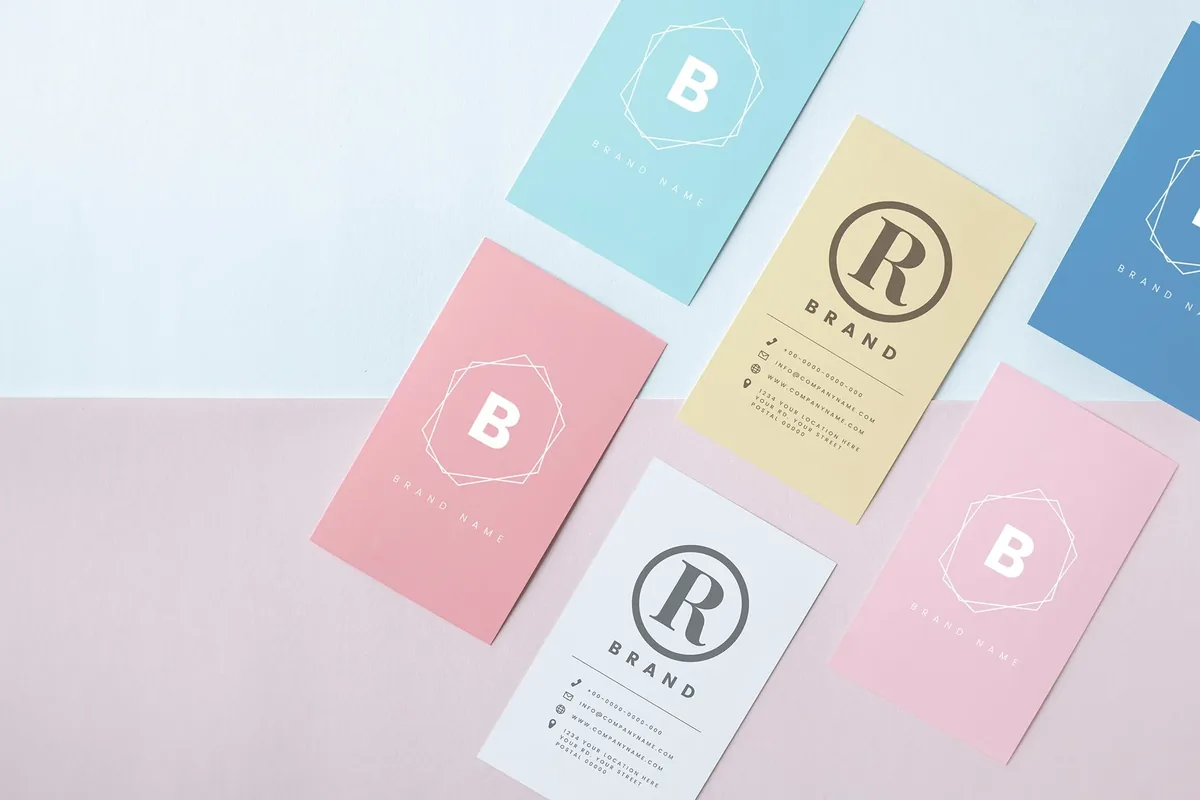
We use the same materials across everything we make, from business cards and letterhead to brochures, postcards, signage, labels, books and packaging. You can see the full range on our products page, with options listed for each item.
If you are comparing suppliers, the same questions apply to any eco friendly printing company you consider, including us.
Send us your artwork and quantity, and we will quote it on recycled stock with soy inks. Start your order and we will reply with paper options and a price.
Products mentioned in this piece
Everything below prints on recycled, FSC-certified stock with soy-based inks. Ask for a quote on any of it.

Printing something like this?
Thirty-six years of sourcing recycled stock, put to work on your job. Tell us what you need and Greg will come back with stock options, a price and a date.