How to make a zine: sizes, page counts and printing
How to make a zine, from mini zines folded from one sheet to half-letter saddle stitch zines, with page counts, imposition, paper and printing tips.
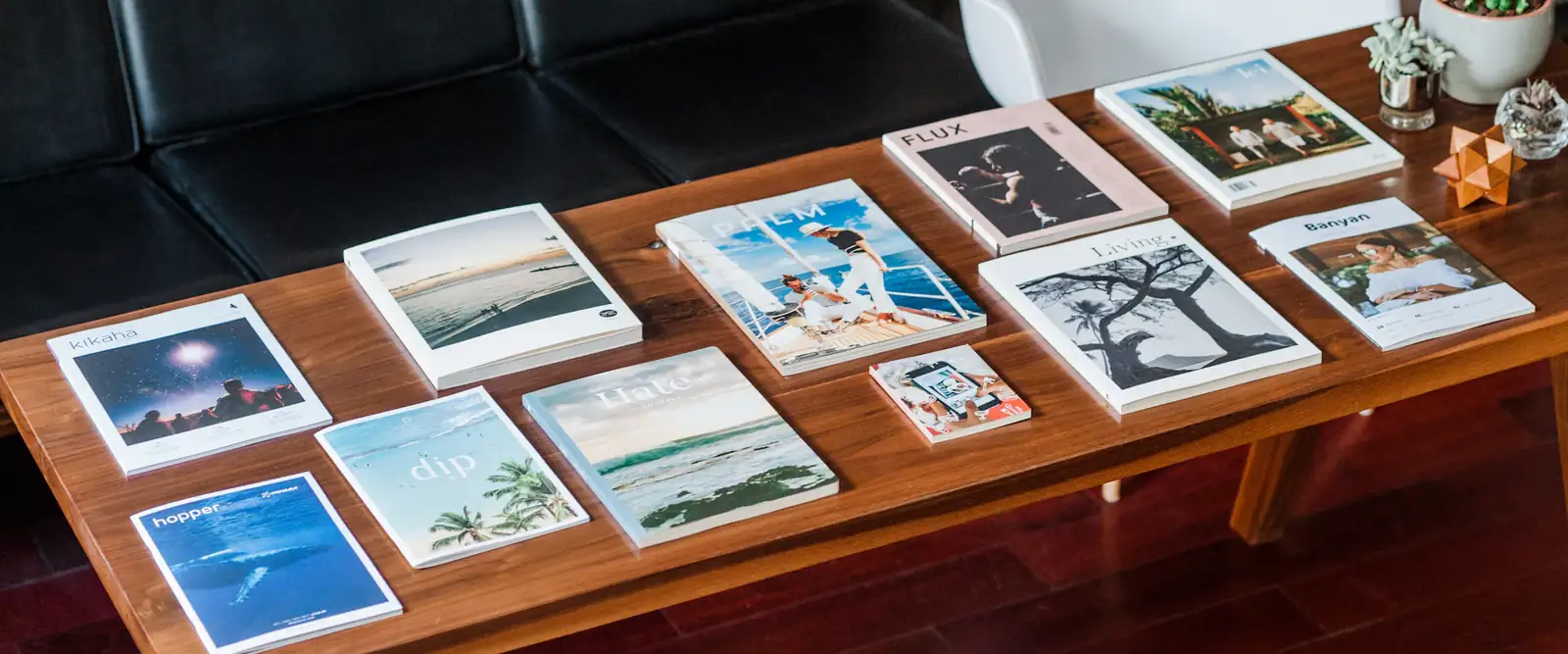
To make a zine, plan your pages in multiples of four, lay them out at the finished size, arrange them in printer order, then print, fold and staple. The two most common formats are the mini zine, an 8-page booklet folded from one letter sheet, and the half-letter zine, a 5.5 x 8.5 in booklet stapled on the spine. This guide covers both formats, page setup, paper, color and when to use a print shop.
What a zine is
A zine is a small, self-published booklet about anything its maker cares about, such as art, comics, poetry, local history or a cause. Most zines are short runs that are traded, sold at fairs or given away.
Why page counts come in multiples of four
Each sheet of paper folded in half creates four pages: two on the front of the sheet and two on the back. That means a stapled zine will always have a page count that divides by four, such as 8, 12, 16, 20 or 24 pages. The count includes the front and back covers. If your content comes up short, add a contents or credits page. Our booklet size guide covers page counts in more detail.
Common zine sizes
| Format | Finished size | How it is made |
|---|---|---|
| Mini zine | About 2.75 x 4.25 in | One letter sheet folded into eight panels with one cut |
| Quarter-size zine | 4.25 x 5.5 in | Half-letter sheets folded in half and stapled |
| Half-letter zine | 5.5 x 8.5 in | Letter sheets folded in half and saddle stitched |
| Full-size zine | 8.5 x 11 in | Tabloid sheets (11 x 17 in) folded in half and stapled |
How to make a mini zine from one sheet
The mini zine needs no staples.
- Fold a letter sheet in half the long way, then in half again, then in half once more, so the creases divide the sheet into eight panels.
- Unfold it and fold it in half the short way.
- Cut along the center crease from the folded edge, stopping at the middle so only the two center panels are cut apart.
- Open the sheet, fold it the long way, and push the ends toward the center so the cut opens into a diamond and the panels fold into a small booklet.
Four of the panels print upside down, so make a test fold and number the pages in pencil before you add content.
How to make a half-letter saddle stitch zine
The half-letter zine is the most common format for longer projects. You print both sides of letter sheets, nest them, fold them in half and staple through the fold. This binding, called saddle stitching, works well up to a few dozen pages. For thicker projects, perfect binding is usually the better choice, and our guide to saddle stitch vs perfect binding explains the differences.
Imposition basics
Imposition means arranging pages on each sheet so they read in order once the zine is folded. Pages are not printed in reading order. For an 8-page zine made from two letter sheets, the layout looks like this:
- Sheet 1, front: page 8 on the left, page 1 on the right
- Sheet 1, back: page 2 on the left, page 7 on the right
- Sheet 2, front: page 6 on the left, page 3 on the right
- Sheet 2, back: page 4 on the left, page 5 on the right
The two pages on each side of a sheet always add up to the page count plus one. A print shop can usually impose single pages sent in reading order, so ask before you set up the file. Our guide to print-ready files covers the rest of the setup.
Bleed and margins
Home printers and most copiers cannot print to the edge of the sheet, so plan a white border if you print at home. If you want art or color to run off the edge, a print shop prints on a larger sheet and trims it down. In that case, add 0.125 in of bleed on every outside edge. Our guide to bleed in printing explains how. Keep text at least 0.25 in from the trim and from the fold.
Black and white or color
Many zines are printed in black and white. It costs less and suits collage and line art. Color makes sense for illustration, photography and comics. A common middle ground is a color cover with a black and white interior. For color, set your files up in CMYK.
Paper for zines
- Interior pages: 60 lb to 70 lb text is common. It folds easily and feels like a book page.
- Covers: 80 lb text works for a self-cover zine. A light cover stock, around 65 lb to 80 lb cover, gives a sturdier feel.
- Recycled stock: uncoated recycled paper takes pen and stamps well.
Our paper weight guide explains text and cover weights.
Home copier or print shop
A home printer or copier is fine for a few dozen black and white copies, and a long-reach stapler makes saddle stitching much easier. A print shop makes more sense when you want color, full bleed, a heavier cover, a specific recycled stock or a hundred copies or more.
We print zines on recycled paper with soy and vegetable based inks. See our zine printing page for formats and options, or request a quote with your page count, size and quantity. Most orders are ready in one to two weeks from artwork approval.
How many to print
For a first issue, many makers print between 25 and 200 copies, enough for friends, a zine fair table and a few shops. It is easier to reprint a popular issue than to store boxes of extras.
Common questions
How many pages should a zine have?
Any multiple of four works. Eight pages is the most common starting point, and 12 to 24 pages is typical for a half-letter zine.
What size is a standard zine?
The half-letter zine, 5.5 x 8.5 in, is the most common size. Mini zines from one folded letter sheet are about 2.75 x 4.25 in.
What paper is best for printing a zine?
60 lb to 70 lb text for the pages and either 80 lb text or a light cover stock for the cover.
Do I need to impose my zine pages myself?
If you print at home, yes. If you use a print shop, you can usually send pages in reading order, but ask before you set up your file.
Products mentioned in this piece
Everything below prints on recycled, FSC-certified stock with soy-based inks. Ask for a quote on any of it.


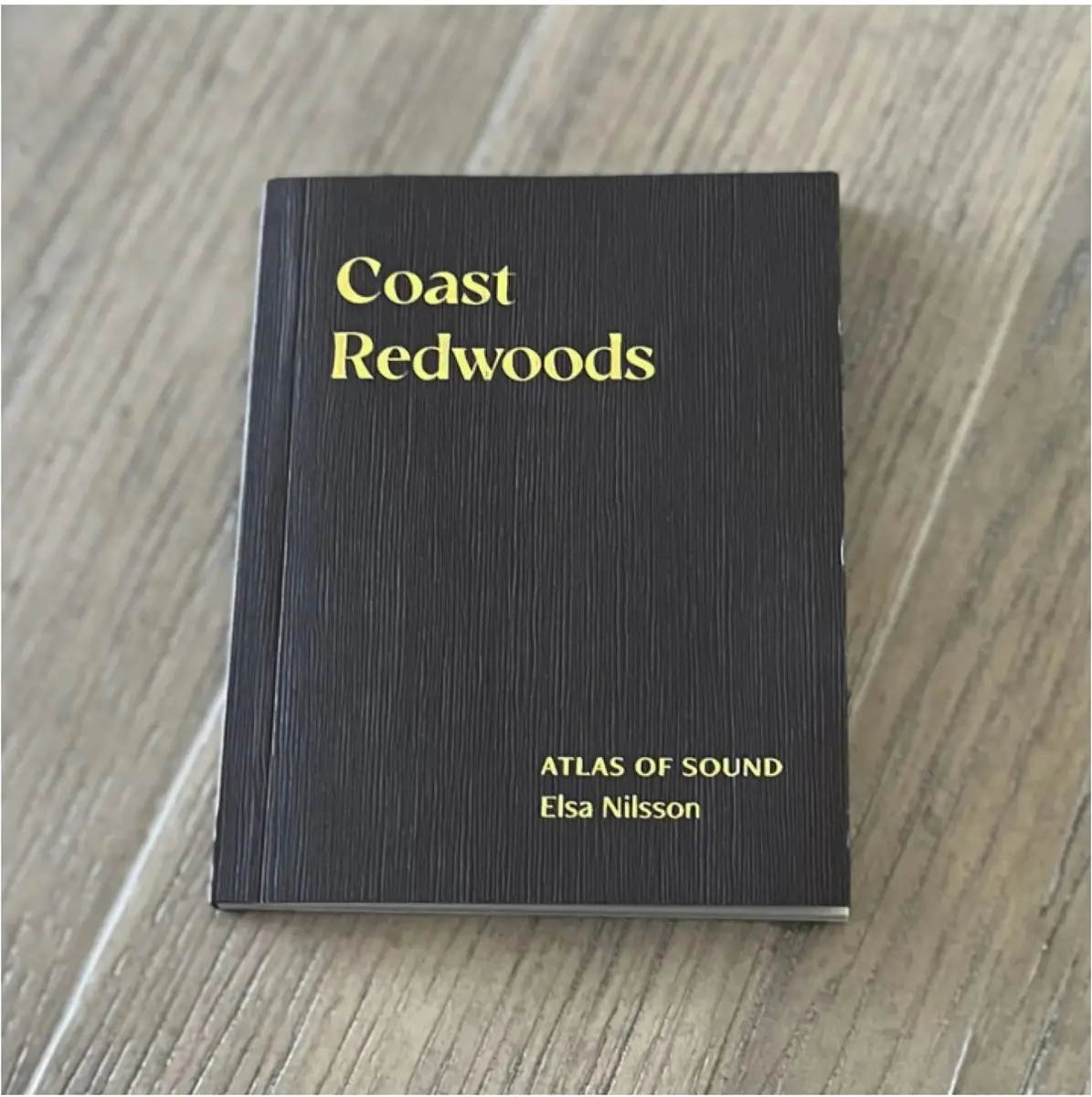

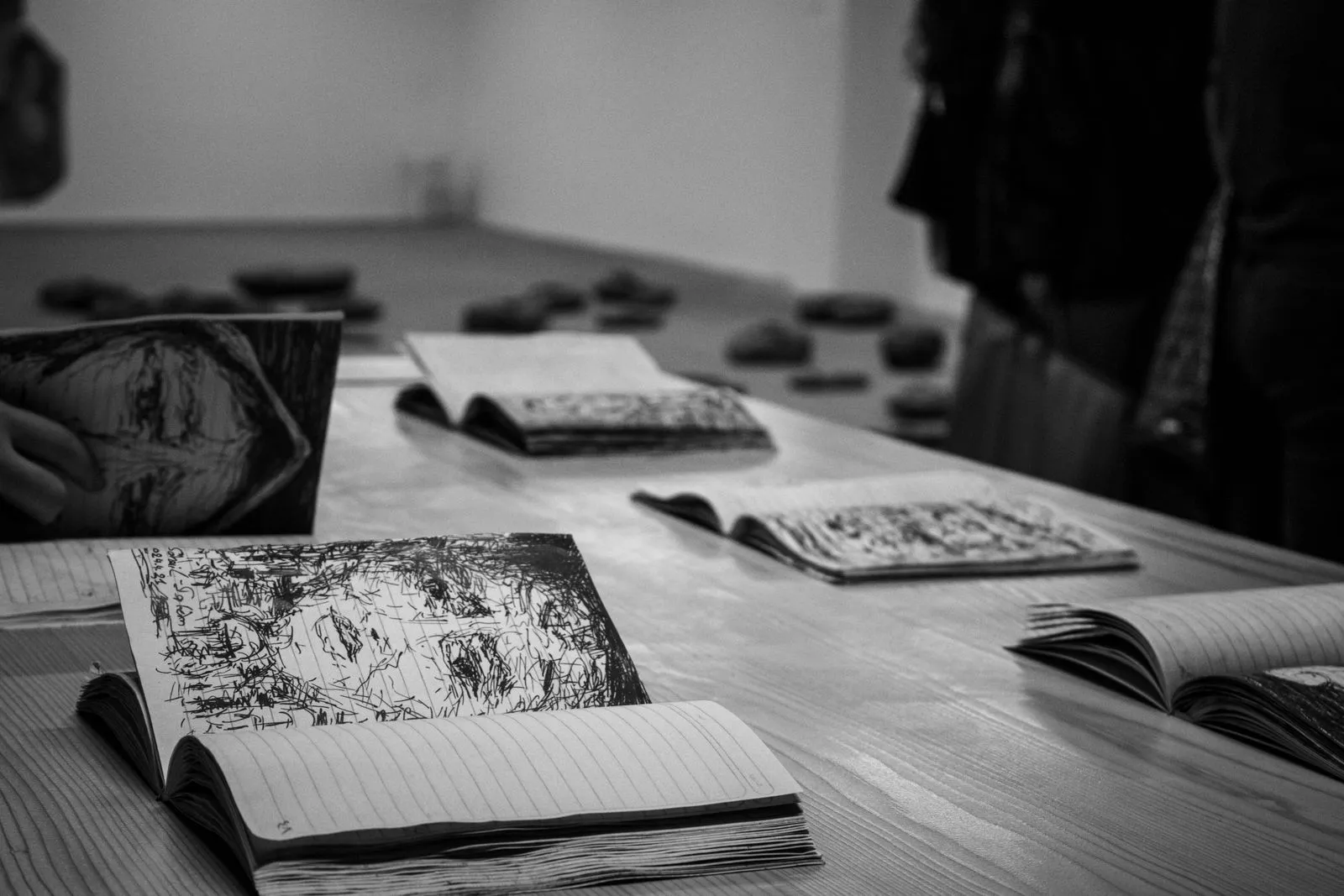
Printing something like this?
Thirty-six years of sourcing recycled stock, put to work on your job. Tell us what you need and Greg will come back with stock options, a price and a date.