Glossary of printing terms
Plain definitions of the printing terms you will see on quotes and proofs, from bleed and caliper to post-consumer waste and FSC certification.
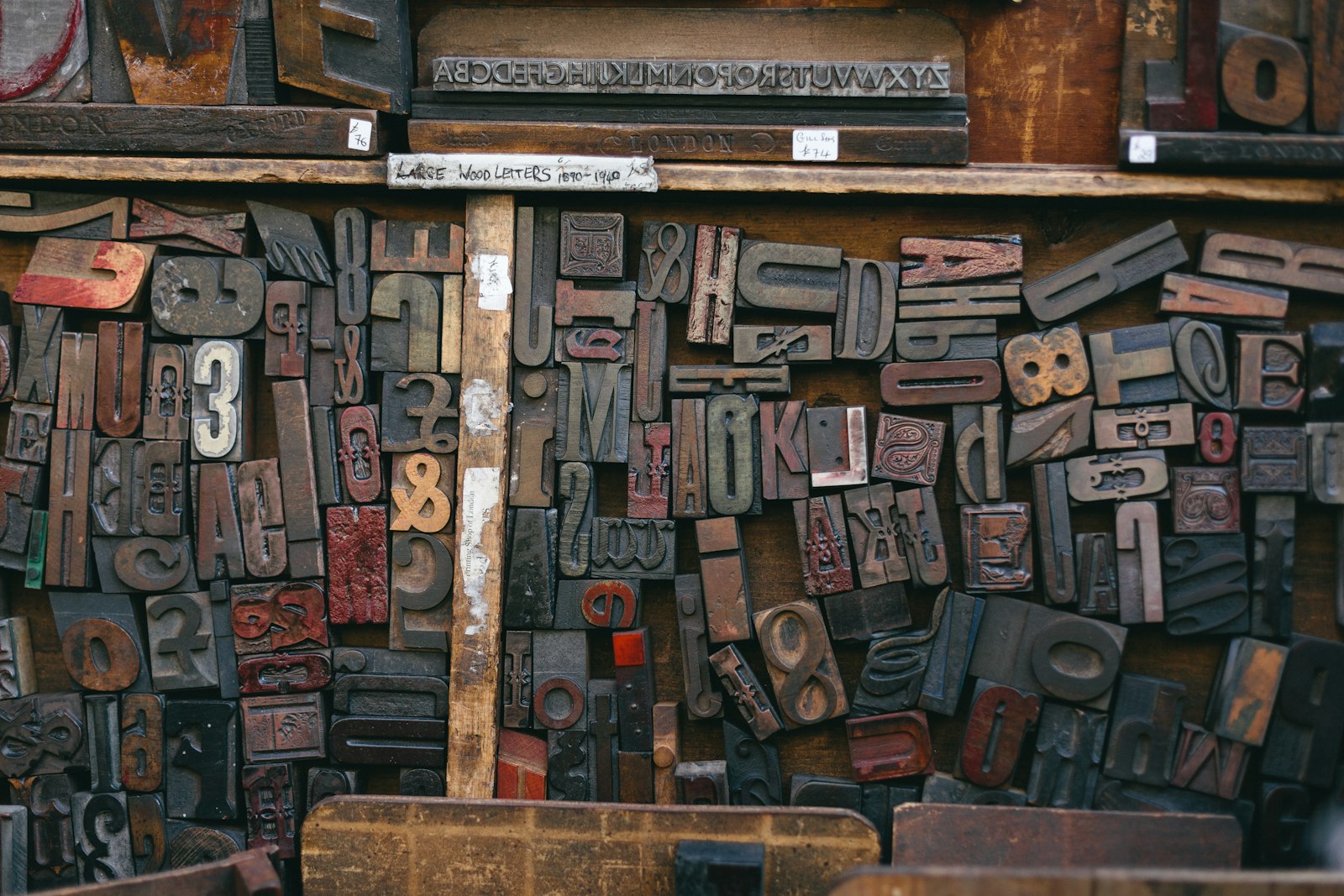
Quotes, proofs and paper specs use a lot of trade terms. This glossary explains the ones you are most likely to see when you order commercial print, grouped by topic. For the environmental terms, our guide to green printing goes into more detail.
Paper and stock
Basis weight. Paper weight in pounds for a ream of the stock's standard sheet size, such as 80 lb cover. Text and cover papers are measured on different sheet sizes, so their numbers are not directly comparable.
Text weight. Lighter paper used for letterhead, flyers and book pages.
Cover weight. Heavier paper used for business cards, postcards and covers.
Caliper. Paper thickness, measured in points. One point is one thousandth of an inch.
Coated stock. Paper with a clay or polymer surface that holds ink on top for sharper, brighter images.
Uncoated stock. Paper without a surface coating. It has a more natural feel, absorbs more ink and is easy to write on.
Opacity. How much a sheet blocks show-through from the other side.
Brightness. How much light a sheet reflects. Recycled papers often run slightly warmer than bright virgin paper.
Grain. The direction the paper fibers lie. Folding with the grain gives a cleaner fold.
Parent sheet. The large sheet a job is printed on before it is cut down to the finished size.
Color
CMYK. Cyan, magenta, yellow and black, the four inks used to build full-color images.
RGB. Red, green and blue, the color model screens use. Files must be converted to CMYK for print.
Four-color process. Printing full-color images by overlaying CMYK dots.
Spot color. A single premixed ink printed as its own color, used for exact brand matches.
Pantone (PMS). The numbered color system used to specify spot ink colors. Our guide to Pantone color matching explains how it works.
Files and prepress
Bleed. Artwork that extends past the trim line so color runs to the edge after cutting, usually 0.125 inch on each side.
Crop marks. Short lines outside the artwork that show where the sheet will be trimmed. Also called trim marks.
Safe area. The zone inside the trim where text and logos should stay so they are not cut off.
DPI and PPI. Dots or pixels per inch. 300 at the final size is the standard for print images.
Vector art. Artwork built from paths, such as AI, EPS, SVG or PDF files, that scales to any size without losing sharpness.
Raster image. Artwork made of pixels, such as JPG, PNG or TIFF files, that loses quality when enlarged.
Press-ready PDF. A PDF with fonts embedded, images at print resolution, CMYK or spot colors and bleed included. See how to prepare print-ready files.
Outlined fonts. Type converted to shapes so the file prints correctly without the font installed.
Imposition. Arranging pages on a press sheet so they come out in the right order after folding and trimming.
Proof. A digital or printed sample that the client approves before the full run.
Hard proof. A physical printed proof used to check color and paper.
Printing
Offset lithography. Printing in which ink moves from a plate to a rubber blanket and then to the paper.
Plate. The thin metal sheet that carries the image for each ink color on an offset press.
Make-ready. The setup work and test sheets needed before a press runs at full speed.
Digital printing. Printing directly from a file with toner or liquid ink, with no plates. Our guide to digital vs offset printing compares the two.
Variable data printing. Digital printing in which names, addresses or codes change on each piece.
Short run. A small quantity job, usually best suited to digital printing.
Gang run. Printing several jobs or designs on one sheet to share setup costs.
Finishing
Bindery. The finishing department that cuts, folds, stitches, binds and packs printed sheets.
Score. A crease pressed into heavy paper so it folds without cracking.
Saddle stitch. Binding by stapling folded sheets through the spine, common for booklets.
Perfect binding. Gluing pages to a square spine, used for books and thicker catalogs.
Die cut. Cutting a custom shape or window with a steel rule die.
Foil stamping. Applying metallic or colored foil with heat and pressure.
Blind emboss and deboss. A raised or pressed-in design made with a die and no ink or foil.
Aqueous coating. A water-based clear coating that protects printed surfaces.
Environmental terms
Post-consumer waste (PCW). Fiber from paper that was used and discarded, then collected for recycling.
Pre-consumer content. Recycled fiber from mill and converter scraps that never reached a consumer.
Processed chlorine free (PCF). Recycled paper made without chlorine or chlorine compounds during reprocessing.
Totally chlorine free (TCF). Virgin fiber paper bleached without any chlorine compounds.
Elemental chlorine free (ECF). Paper bleached with chlorine dioxide instead of elemental chlorine. It is not the same as chlorine free.
FSC certified. Paper tracked through a Forest Stewardship Council chain of custody from the forest to the printer.
Soy-based ink. Ink made with soybean oil in place of much of the petroleum oil. It is lower in VOCs and easier to remove when paper is recycled. See our guide to soy based ink printing.
Tree-free paper. Paper made from non-wood fibers such as cotton, hemp, bamboo or agricultural residue.
VOCs. Volatile organic compounds released by some inks and solvents as they dry.
Have a term we did not cover? Ask when you request a quote, or read our eco questions.
Products mentioned in this piece
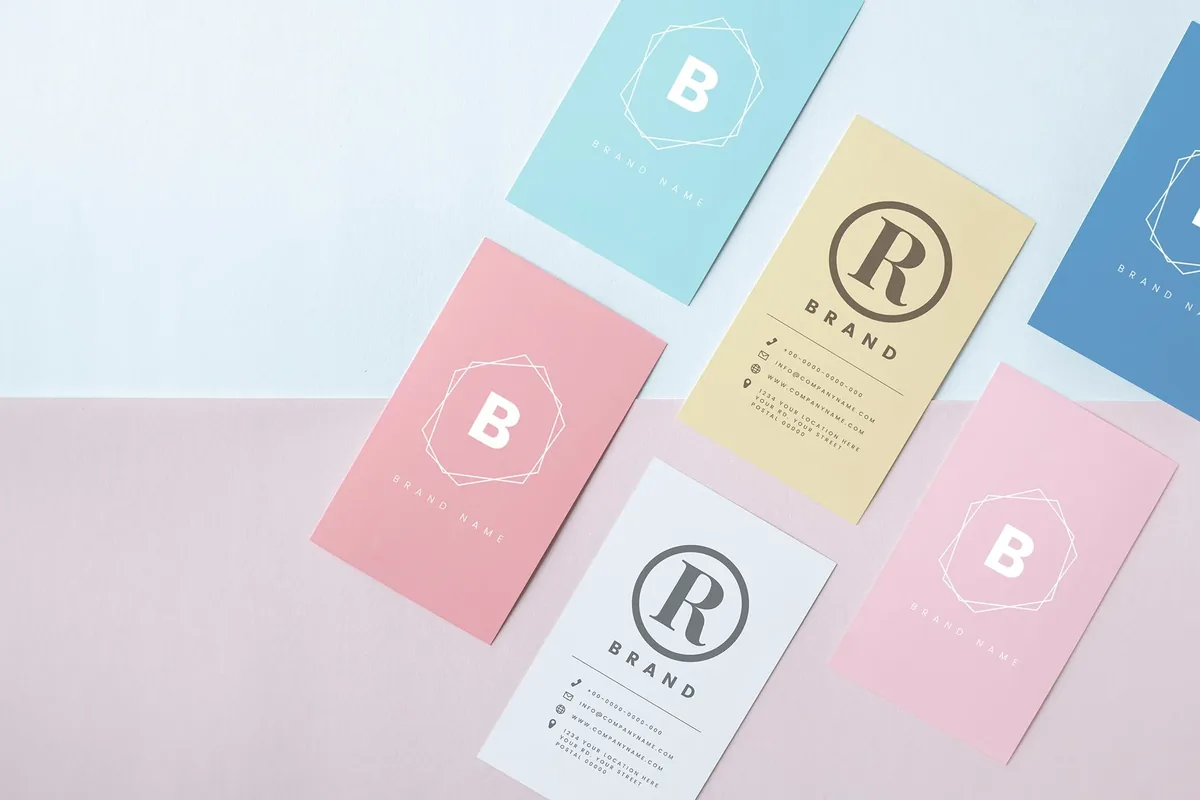
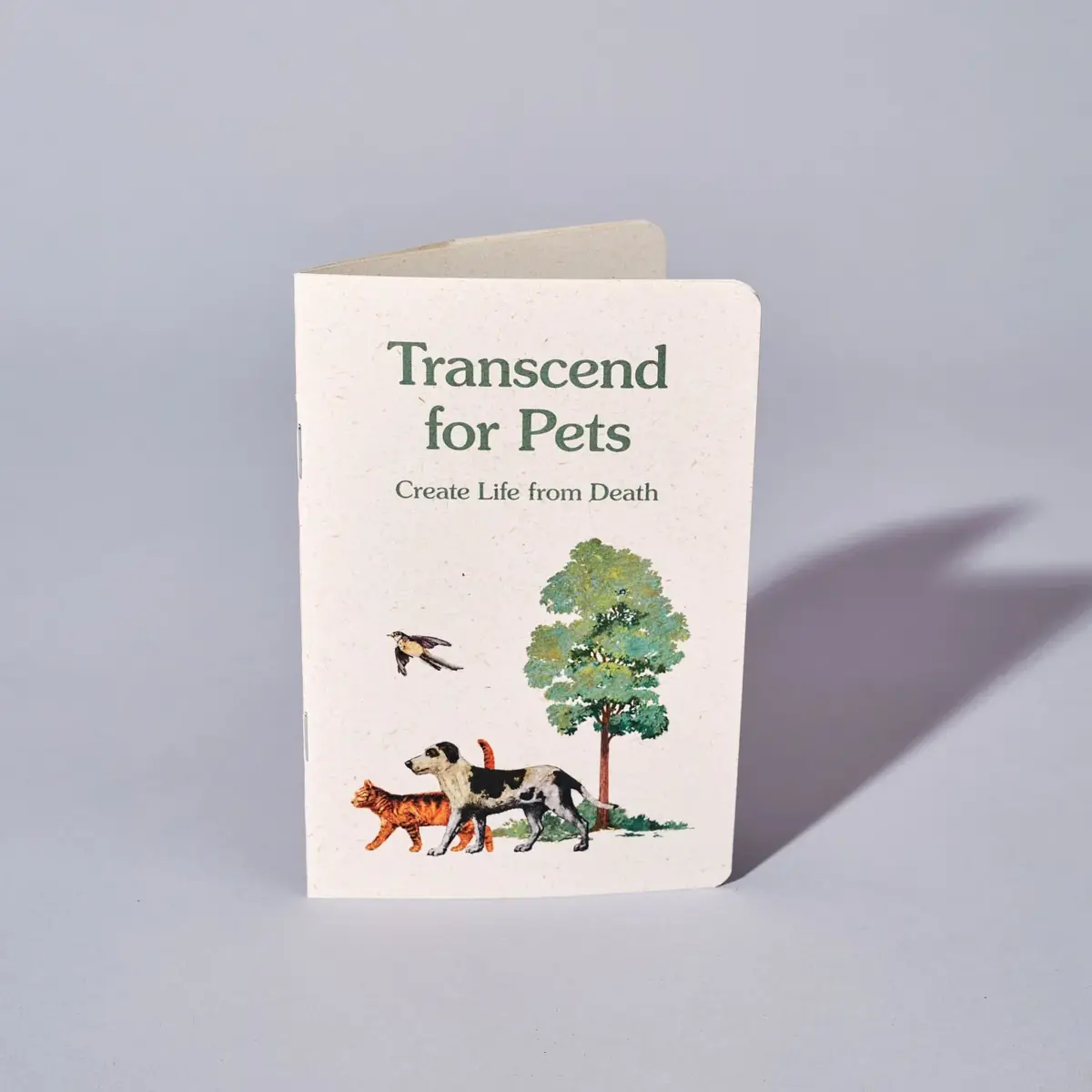
Everything below prints on recycled, FSC-certified stock with soy-based inks. Ask for a quote on any of it.

Printing something like this?
Thirty-six years of sourcing recycled stock, put to work on your job. Tell us what you need and Greg will come back with stock options, a price and a date.