Eco Friendly Catalog Printing on Recycled Paper
Product catalogs, wholesale catalogs, line cards and lookbooks printed on recycled paper with soy-based inks, saddle-stitched or perfect-bound.

Details
Eco Friendly Printer offers catalog printing for manufacturers, distributors, wholesalers and retail brands, on recycled paper with soy-based inks. We print full product catalogs, wholesale catalogs and price books, line cards and lookbooks, and we bind them with saddle stitching or perfect binding depending on the page count. Many of our catalog clients sell to other businesses, and a printed catalog gives their buyers something to keep on the desk, mark up and pass along to a colleague.
Catalog types we print
- Product catalogs: full-line catalogs with photos, item numbers, specifications and ordering details.
- Wholesale catalogs and price books: catalogs for dealers and retail buyers, often printed with a separate price list so the catalog stays current longer.
- Line cards: a single sheet or folded card that lists the brands, product lines or services a company carries. Distributors and sales reps hand them out at meetings and trade shows.
- Lookbooks: image-led catalogs for apparel, furniture, home goods and other design-focused products.
- Seasonal supplements: shorter pieces that introduce new products between full catalog reprints.
Sizes
8.5 x 11 in is the most common catalog size because it files easily and leaves plenty of room for product grids. 5.5 x 8.5 in and 6 x 9 in are popular for smaller catalogs and price books, and square or landscape formats such as 8 x 8 in suit lookbooks. We also print custom sizes. Our booklet size guide lists standard dimensions and page counts.
Binding
Saddle stitching folds the pages and staples them through the spine. It is the most economical binding for catalogs of about 8 to 64 pages, and the page count must be a multiple of four. Perfect binding glues the pages into a wraparound cover with a flat spine that can be printed with the catalog name and year. It suits thicker catalogs and gives the piece a more permanent feel. Our guide to saddle stitch vs perfect binding explains how to choose. For shorter pieces such as programs and manuals, see booklet printing.
Paper and finishes
Coated recycled paper keeps product photos sharp and colors accurate, which is why most catalogs use a coated or satin sheet for the inside pages. Uncoated stock works well for text-heavy price books and for pages that buyers write on. A heavier cover stock protects the catalog when it is mailed, carried to meetings or handled through a full season. Our guide to coated vs uncoated paper covers the differences. Ask about cover finishes such as foil stamping or embossing if you want the logo or title to stand out.
How the eco choices apply to catalogs
Catalogs use a lot of paper, so the choice of stock makes a real difference. Most of our stocks are 100% post-consumer recycled and FSC certified, and we print with soy and vegetable based inks and chlorine-free processing. A few planning decisions also reduce waste. Printing prices on a separate sheet lets you update pricing without reprinting the whole catalog. Choosing a standard size uses the press sheet efficiently. Ordering a realistic quantity for the season, rather than a large run that goes out of date, keeps unused catalogs out of the recycling bin.
File setup and planning tips
- Set up the file as single pages at the finished size, with 0.125 in bleed on every side.
- Keep text and item numbers at least 0.25 in from the trim, and allow extra space near the spine on perfect-bound catalogs.
- Use product photos at 300 ppi at the printed size, converted to CMYK.
- Plan the page count in multiples of four for saddle stitching.
- Check item numbers and specifications against your current product list before you send the final file.
Our guide to print-ready files covers bleed, resolution and color in more detail.
How ordering works
Tell us the size, page count, binding, quantity and the date you need the catalogs, or start your order online. We will recommend papers, confirm the specifications and give you a price before anything is printed. Shorter runs are usually printed digitally and larger runs on an offset press, and we will suggest the method that suits your quantity. Most orders are ready in one to two weeks from artwork approval.
Common questions about catalog printing
What is the most common catalog size?
8.5 x 11 inches is the most common catalog size. 5.5 x 8.5 inches and 6 x 9 inches are common for smaller catalogs and price books.
Should my catalog be saddle-stitched or perfect-bound?
Saddle stitching is the most economical choice for catalogs of about 8 to 64 pages. Perfect binding suits thicker catalogs and gives a flat spine that can be printed with the catalog name.
What is a line card?
A line card is a single sheet or folded card that lists the brands, product lines or services a company carries. Distributors, manufacturers' representatives and suppliers use them as a quick reference for buyers.
Can a catalog be printed on recycled paper without losing photo quality?
Yes. Coated recycled stocks hold sharp detail and accurate color, and they are the usual choice for catalogs with product photography.
How long does catalog printing take?
Most catalog orders are ready in one to two weeks from artwork approval. Tell us your date when you request a quote.
Options & finishes
- Product catalogs, wholesale catalogs, line cards and lookbooks
- Saddle stitch or perfect binding
- 8.5 x 11 in, 5.5 x 8.5 in, 6 x 9 in, square and custom sizes
- Coated and uncoated recycled text and cover stocks
- Soy and vegetable based inks
- Digital for short runs, offset for larger runs
Sizes
8.5 x 11 in, 5.5 x 8.5 in, 6 x 9 in, 8 x 8 in square, landscape, custom
Stock options
Coated and uncoated recycled text, recycled cover, FSC certified stocks
Finishes
Saddle stitch, perfect binding, printed spine, foil stamping, embossing
Recycled content
30-100% PCW depending on stock
Turnaround
1-2 weeks
The stock this prints on
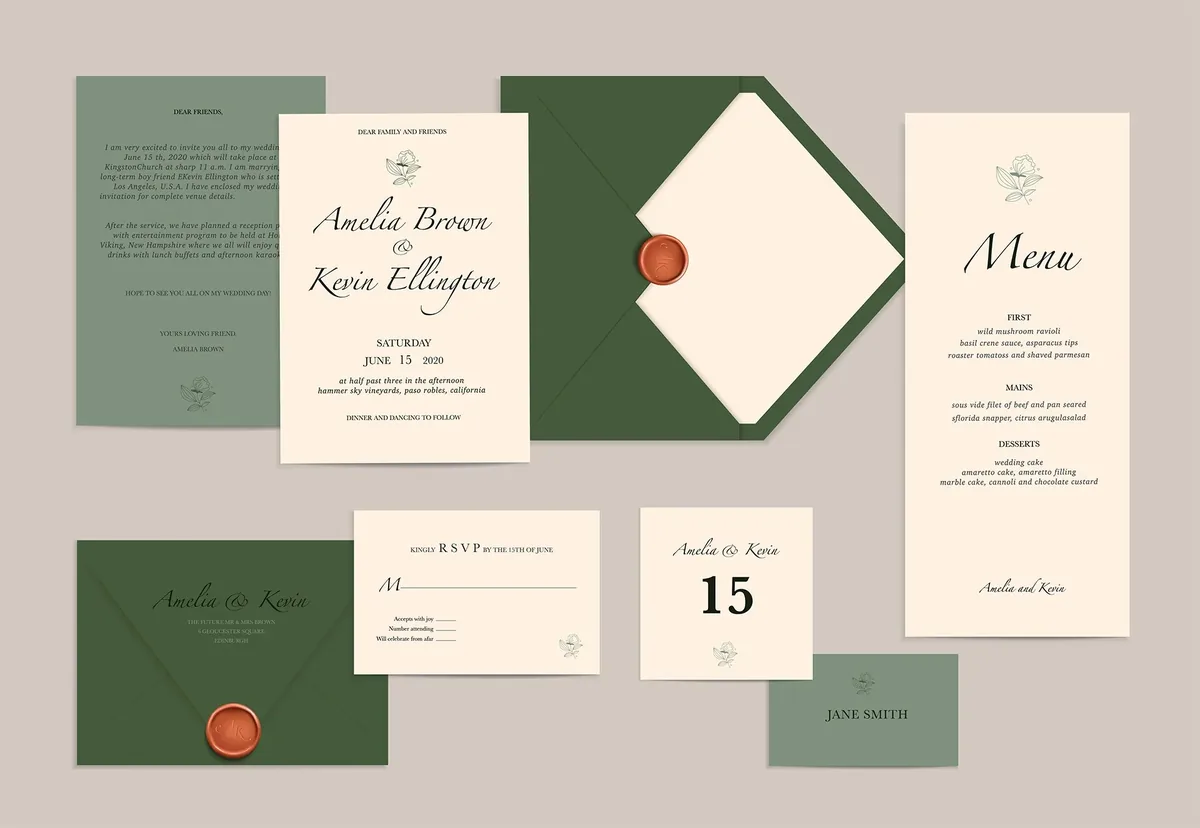
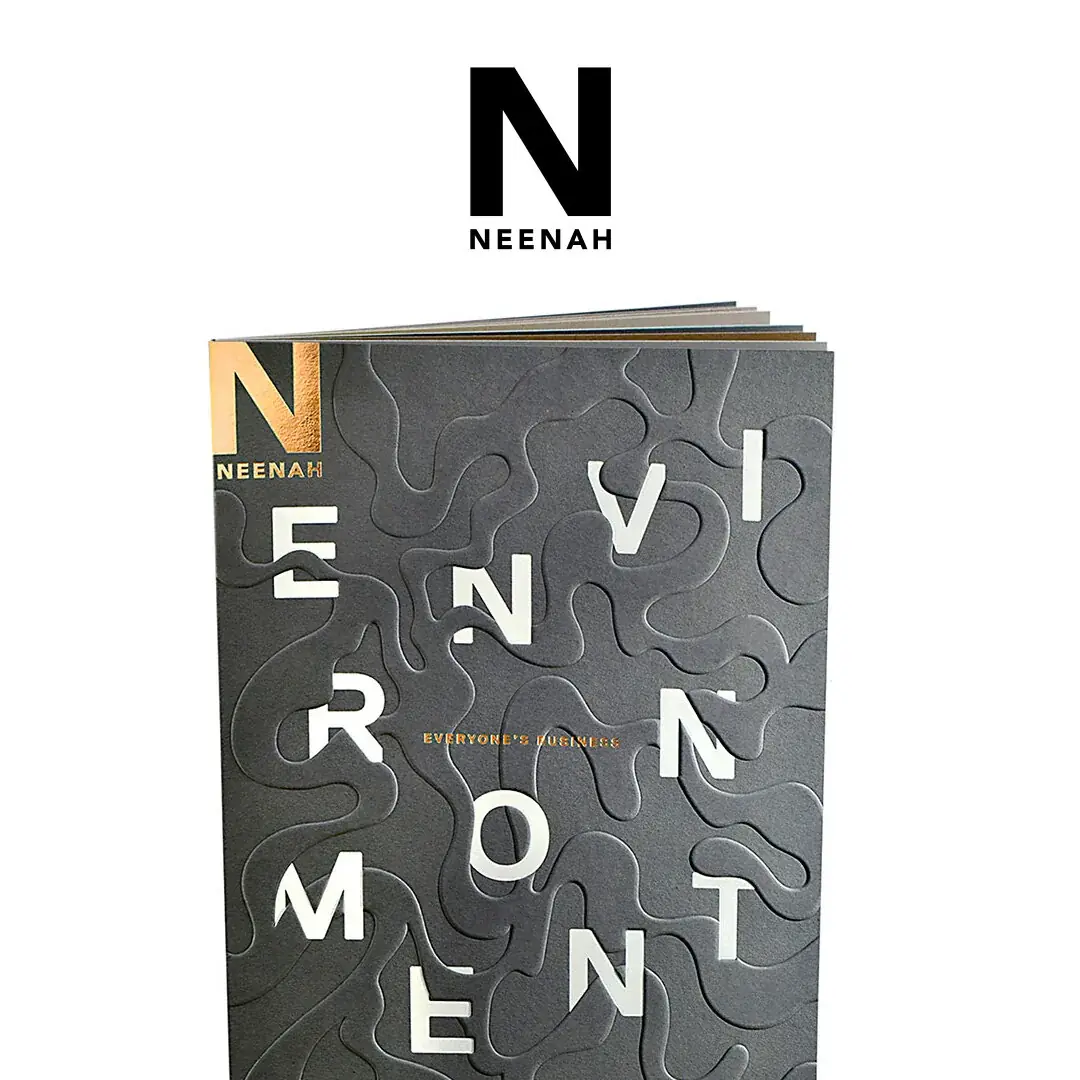
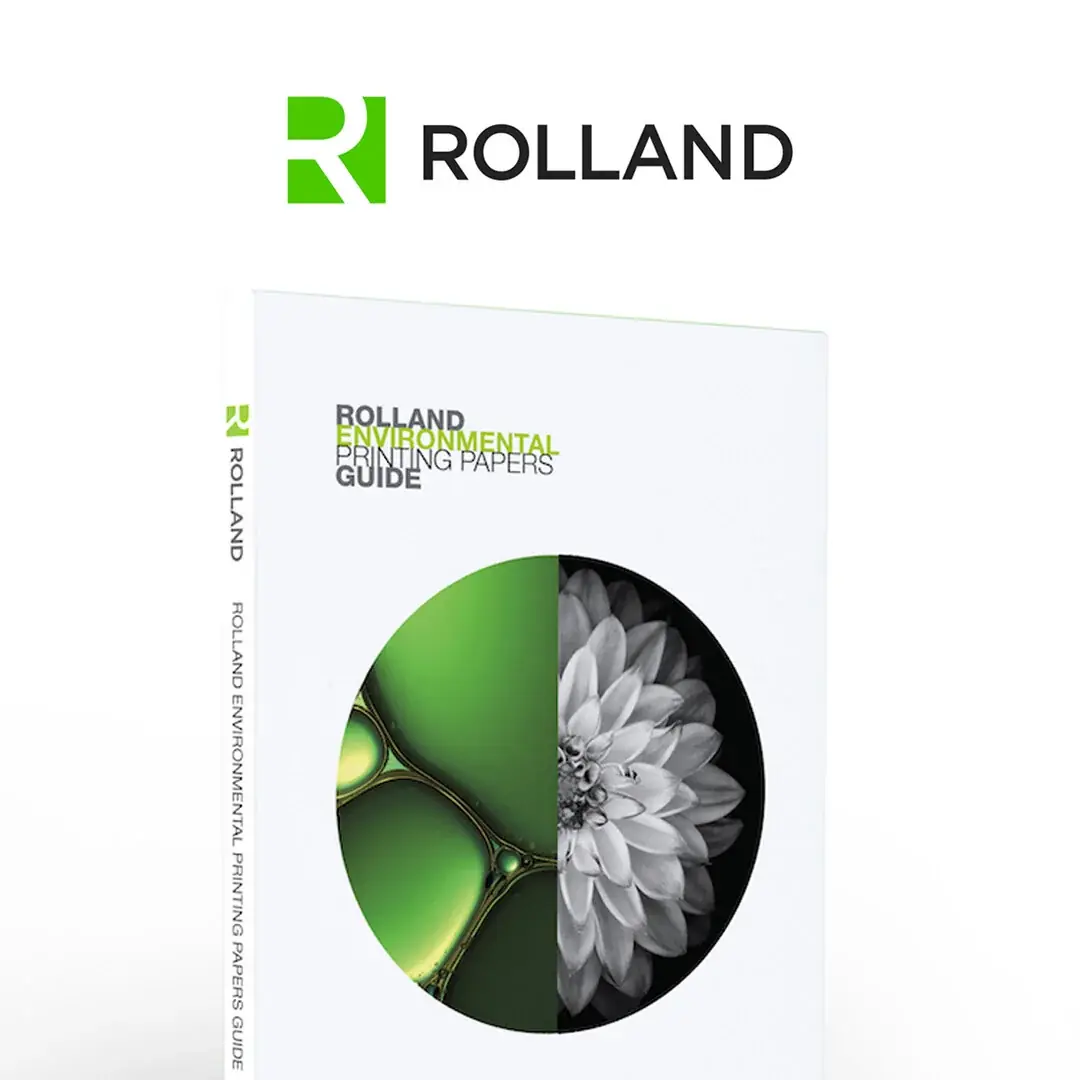
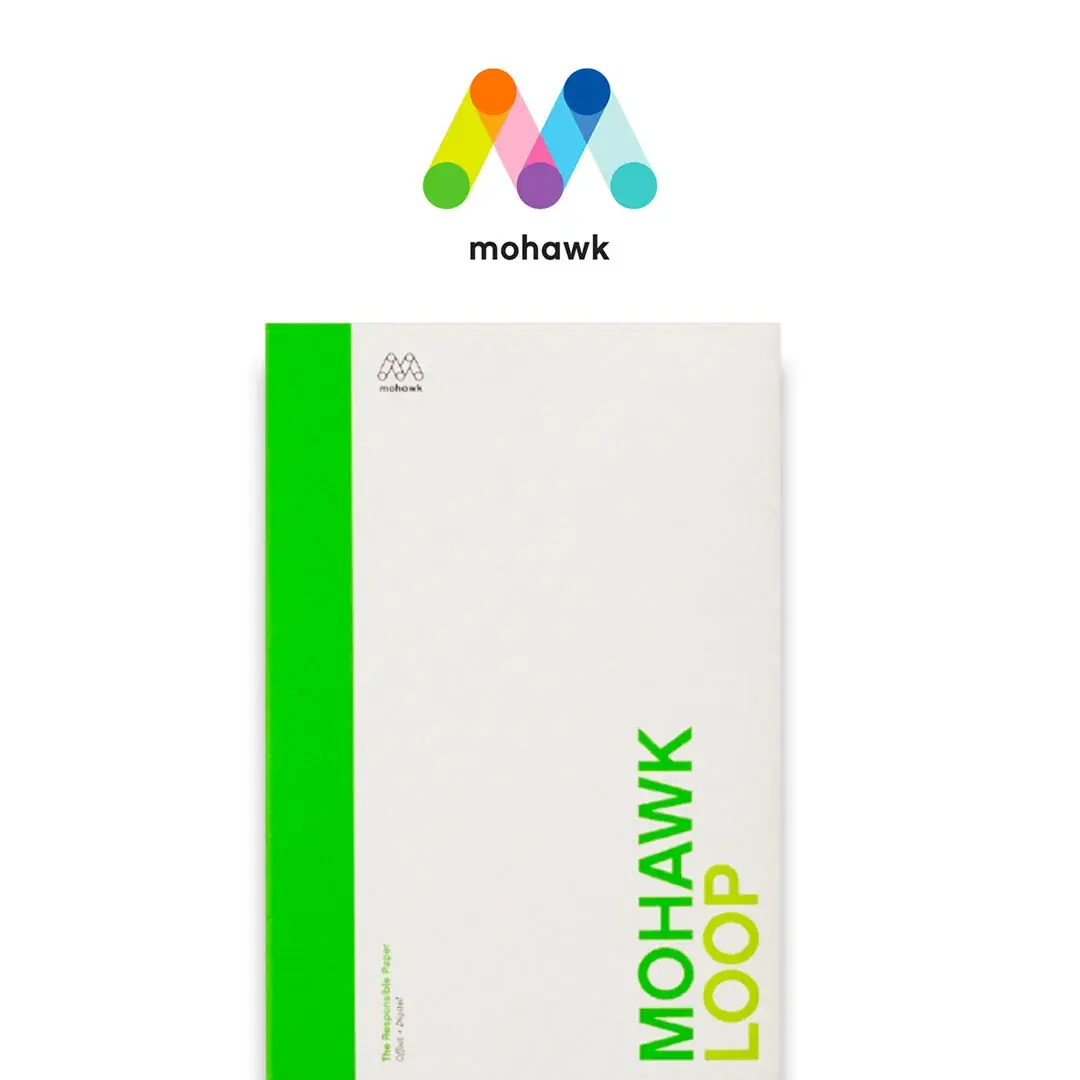
The papers we most often recommend for this job. The recycled content and certifications for each are listed on the stock page.

The rest of the catalog


Get a price on this
Tell us the quantity, size and finish and we’ll come back with stock options, a price and a date.