Eco friendly brochure printing on recycled paper
We print brochures on 100% recycled, FSC certified stock with soy based inks, in short runs or long. This page covers paper, folds, finishing and turnaround.
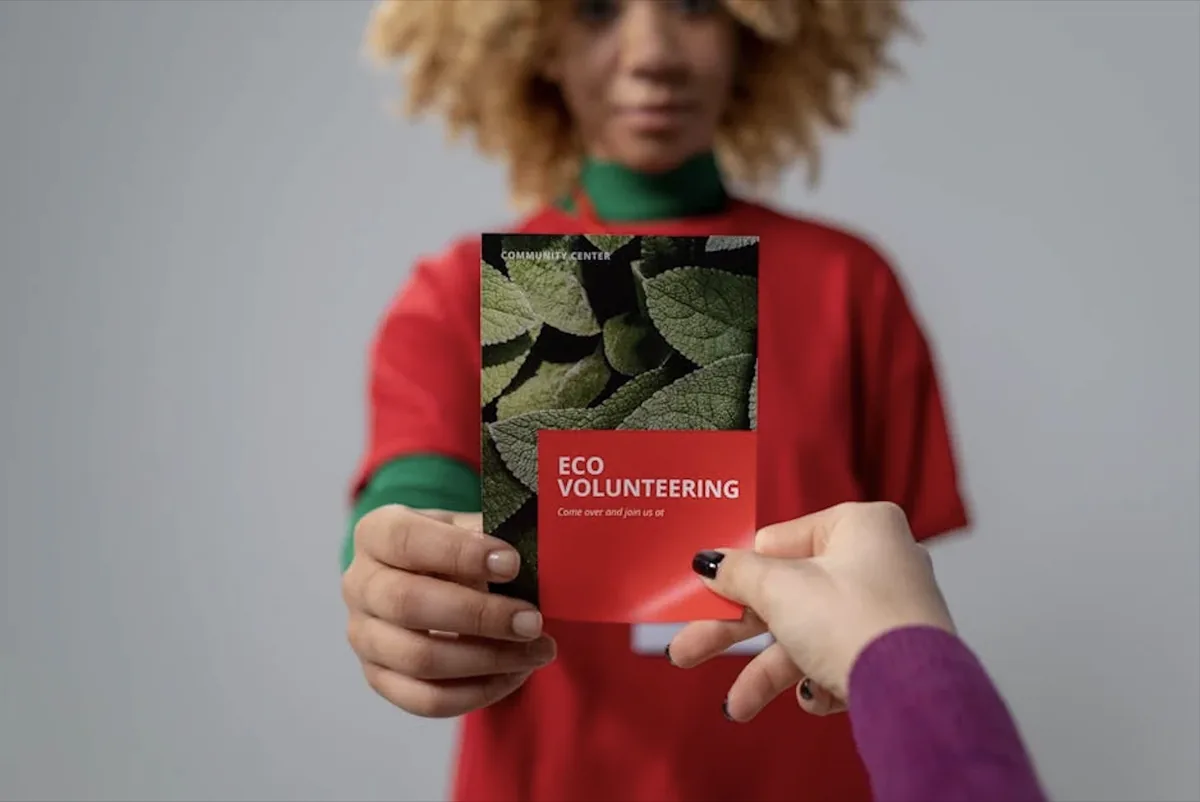
Eco friendly brochure printing comes down to three decisions: the paper, the ink, and how many you print. We print brochures on 100% recycled, FSC certified stock with soy-based inks and chlorine-free bleaching, and we ship nationwide. Most jobs take 1-2 weeks from artwork approval.
This page covers the choices that affect the environmental footprint and the cost of a brochure, and how each one changes the finished piece.
What makes a brochure eco friendly
A brochure is a small item with a short life, so almost all of its impact comes from the paper it is printed on and the quantity you order. Recycled fiber made from post-consumer waste keeps paper out of landfills and reduces demand for new pulp. FSC certification confirms that any fiber that is not recycled came from responsibly managed forests. Soy-based ink replaces the petroleum base used in conventional ink, which means lower volatile organic compound emissions in the pressroom and easier de-inking when the brochure is recycled.
The fourth factor is quantity, and it is often overlooked. Printing 5,000 brochures and recycling 3,000 of them is worse than printing 2,000 and reordering. Print the number you will actually hand out.
Paper: what we print brochures on
Our house stocks all come from recycled sources, and all of them run well on press. Recycled paper has improved considerably over the past twenty years, and today's sheets look clean and professional.
- Uncoated paper has a matte, slightly textured surface. Ink absorbs into the sheet, so colors look softer. It takes pen and pencil, folds cleanly and is the easiest to recycle. It is a good choice for text-heavy brochures and for pieces with a tactile feel.
- Coated paper has a sealed surface that holds ink on top of the sheet, so photographs and saturated colors stay sharp. Choose a silk or matte coating over high gloss if you want sharp images without the shine.
- Kraft board is unbleached and brown, with visible fiber. It is a specific design choice rather than a standard option, and it works best when the rest of your branding supports it.
Weight matters as much as finish. Text weight sheets fold well and are used for most multi-panel brochures. Cover weight sheets feel substantial and hold up to repeated handling at a trade show table, but they need scoring before they fold. A heavier sheet also costs more to mail, so consider how the brochure will be distributed.
Customers often ask about alternative fibers, including bamboo, hemp, recycled cotton, sugarcane bagasse, straw, and seed paper embedded with wildflower or herb seeds. Each has its own look and feel, and availability and minimums vary widely by mill. Ask us before you design around one, because the sheet size and the press it runs on will affect the layout.
If you would like to see and handle the paper before you decide, ask about paper samples when you request a quote. Our paper samples page has details on our stocks.
Ink, coatings and finishing
We print with soy-based inks as standard. Vegetable-based inks work on the same principle, using a renewable base instead of petroleum, and both produce fewer VOCs than conventional ink.
Coatings and laminates can make a recycled brochure difficult to recycle. A plastic laminate bonds to the fiber and cannot be separated at the mill. If you need protection on a piece that will be handled for months, ask us about the tradeoffs before you specify one. Most brochures do not need a laminate.
Embossing and blind debossing add a raised or recessed texture using only a die and pressure, with no added ink, foil or coating. Perforation lets a reader tear off a reply card or a coupon without scissors. Both are dry processes that add interest without adding material.
Folds and formats
The fold is one of the least expensive design decisions you can make, and it determines the order in which readers see your information.
- Half fold gives you four panels and the largest single spread. It is simple and mails in a standard envelope.
- Trifold (letter fold) gives six panels on one sheet and fits a #10 envelope. It is the most common brochure format.
- Z fold uses the same six panels but opens like an accordion, so each panel reads in sequence rather than nesting.
- Gatefold opens from both edges to a wide center panel, which is useful when you have one image or message that needs the extra space.
- Saddle-stitched booklet is the best option when a folded sheet is not enough. Pages come in multiples of four.
A well-chosen fold often removes the need for extra pages, which is the most direct way to use less paper.
Design choices that reduce waste
Build your file in CMYK. Spot colors require extra ink units, extra washup and extra waste on jobs that rarely need them.
Keep the layout uncluttered. White space improves readability, reduces ink coverage and makes a recycled sheet look better than a page filled edge to edge with heavy solids.
Proof digitally before you commit. Reviewing a PDF and, if the job calls for it, one press proof catches the errors that would otherwise lead to a reprint. A reprint is one of the most wasteful things that can happen to a brochure.
Design the piece so it stays useful. If you leave prices and dated offers off the brochure and put them on a web page or an insert, the main print run can last a year instead of a quarter.
Quantities and turnaround
We print short runs, and minimums vary by product. Digital printing suits smaller quantities because there are no plates and very little makeready waste, so you can print what you need for one event and reorder later. Offset becomes the better choice as quantities increase, both for unit cost and for ink coverage across a long run.
Plan on 1-2 weeks from artwork approval. We do not have a storefront or walk-in counter, so every job is quoted, proofed and shipped.
Common questions
Does recycled paper cost more?
Not with our pricing. Recycled stock is our standard, so it is included in our normal quotes rather than charged as an upgrade.
Will the color look dull?
No. The mills we buy from make bright, clean sheets. If your brochure relies on photography, a coated recycled stock will hold the detail.
What is the best paper for a brochure?
For most business brochures, a recycled text weight sheet with a silk or matte coating gives you good photo reproduction, a clean fold and easy recycling. If you are deciding between two stocks, ask about paper samples when you request a quote.
Get a quote
Tell us the quantity, the fold and the deadline, and we will reply with paper options and a price. Start at our brochure page or send the job through start your order. You can also see our other marketing materials.
Products mentioned in this piece
Everything below prints on recycled, FSC-certified stock with soy-based inks. Ask for a quote on any of it.
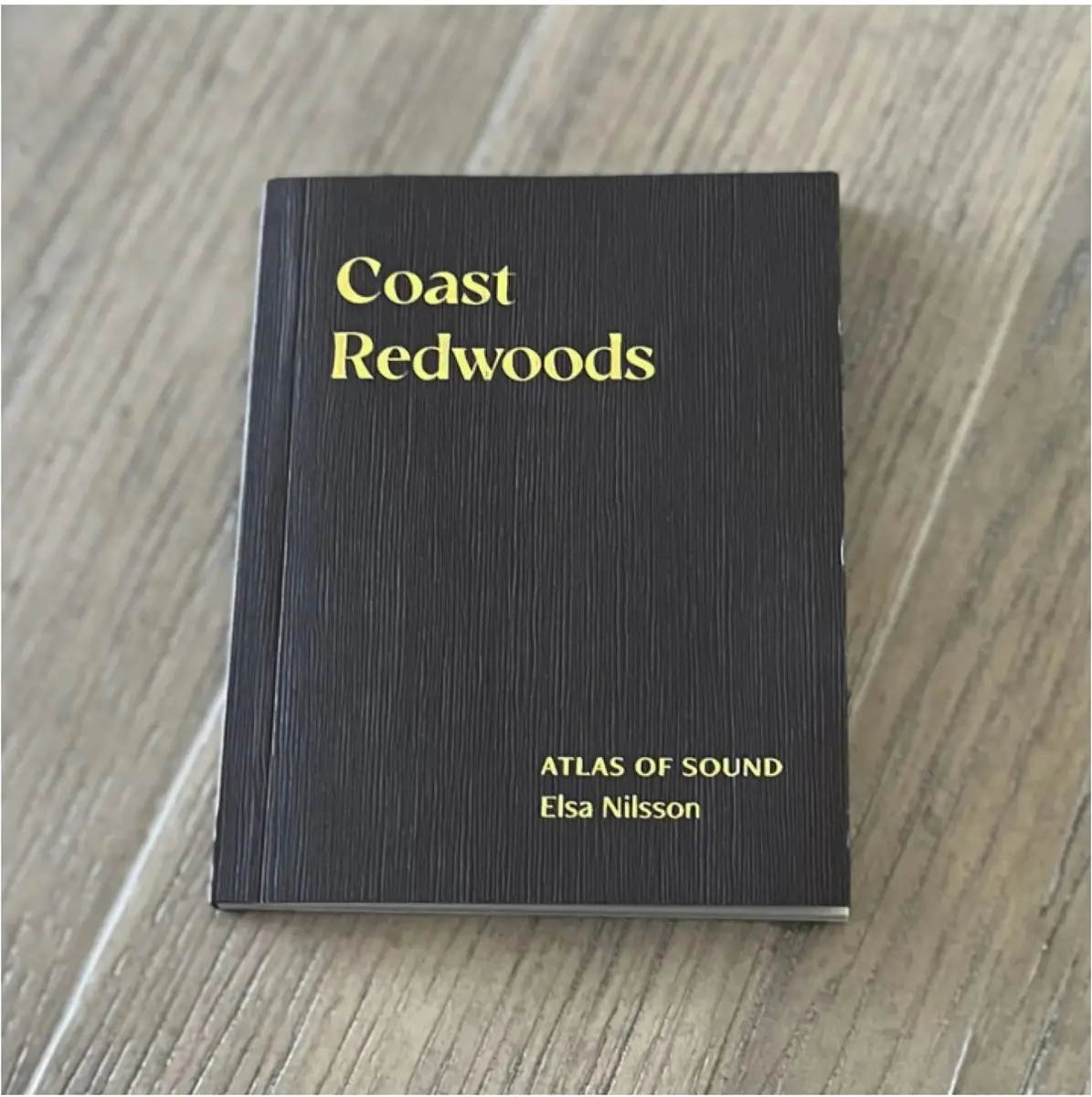
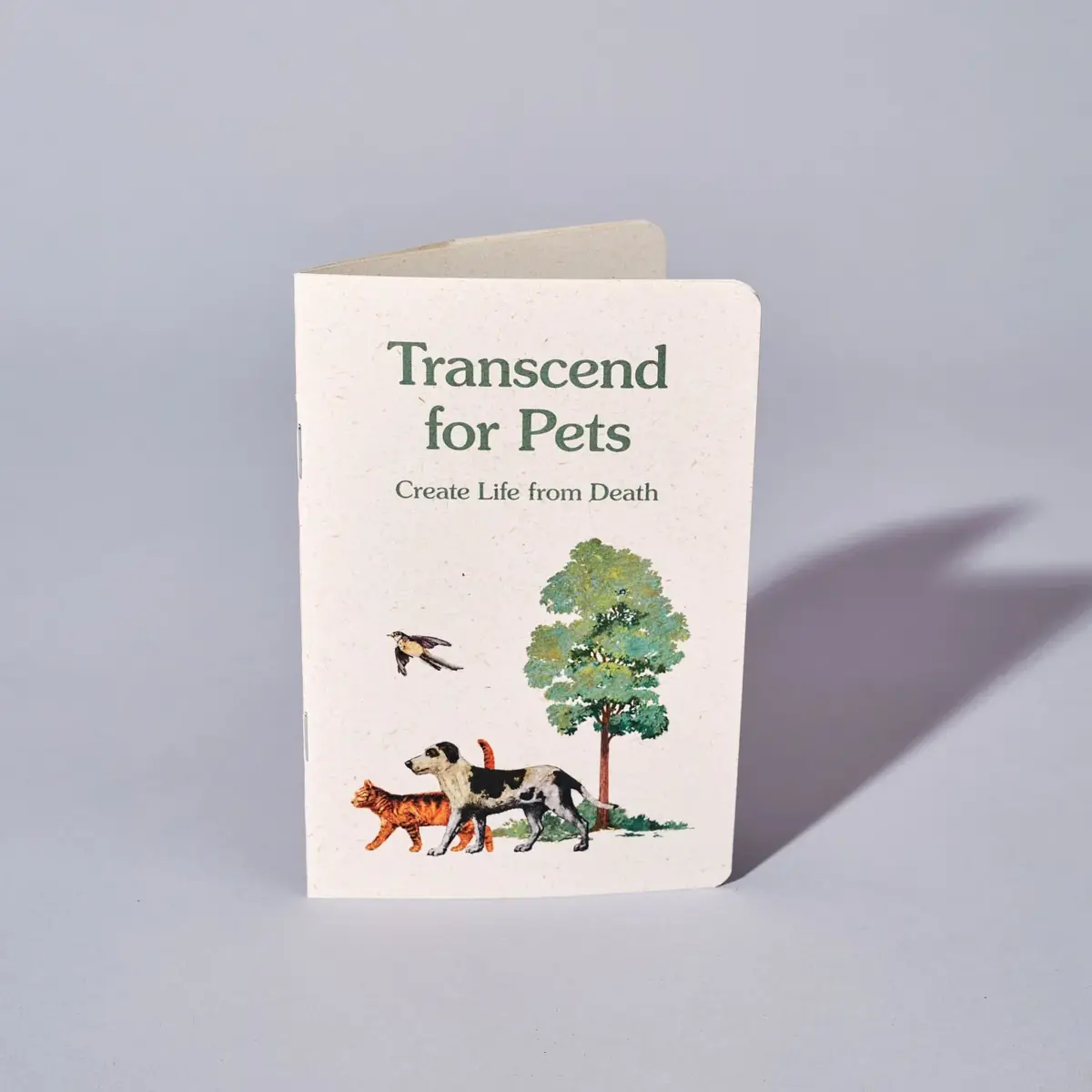
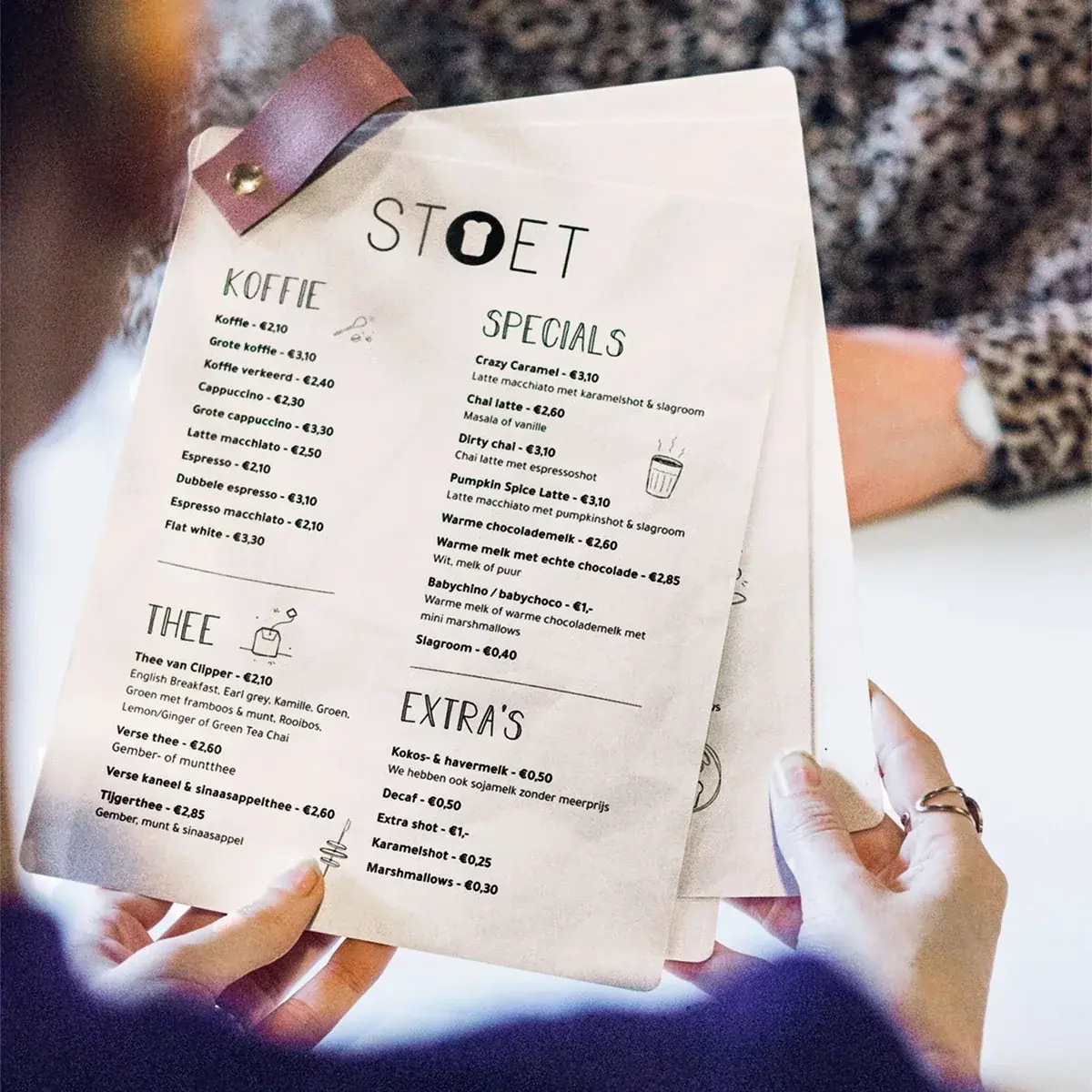
Printing something like this?
Thirty-six years of sourcing recycled stock, put to work on your job. Tell us what you need and Greg will come back with stock options, a price and a date.